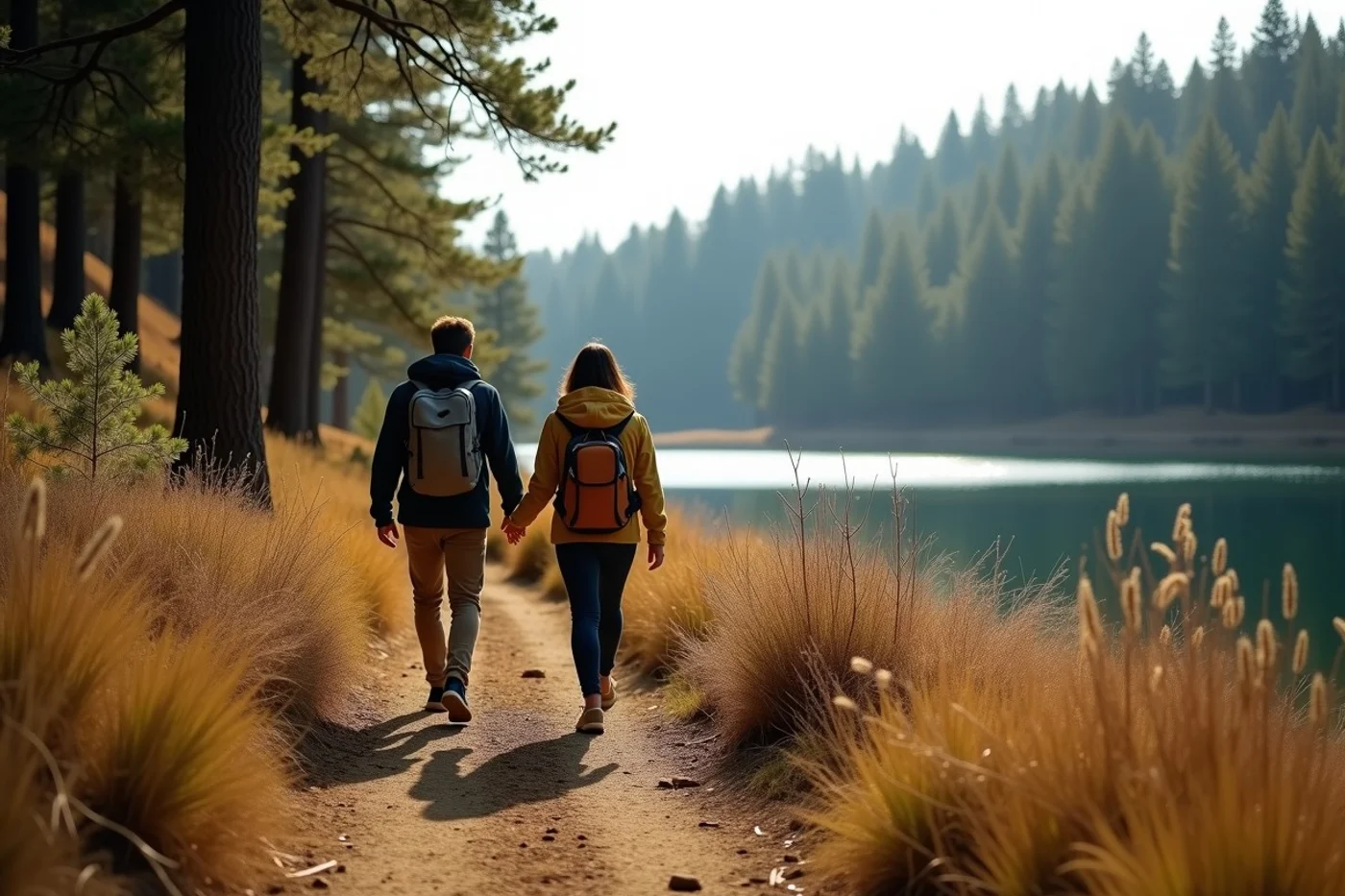
The best outdoor first-date ideas in California are short, public, and easy to adjust: a waterfront walk, botanical garden visit, public market, or gentle park loop usually works better than an ambitious hike. California’s terrain and weather can change sharply between the coast, inland valleys, deserts, and mountains, so pick a setting with clear meeting points, seating, facilities, and a simple indoor or shorter backup plan.
Choose an outdoor setting that keeps a first date easy

For an outdoor first date in California, choose a setting that supports conversation and allows either person to leave without disrupting the plan. A walk offers the simplest structure and can suit an urban neighborhood or a rural town. Gardens create a quieter, slower rhythm, while public markets add small points of interest when conversation pauses.
Waterfront areas can feel relaxed and scenic, but they may encourage a longer outing than intended. Outdoor cultural events provide built-in conversation topics, though the event itself can dominate the meeting. Gentle recreation—such as an easy nature walk or casual lawn activity—adds movement without turning the date into a performance.
For a first meeting, walks, gardens, and markets usually offer the most flexibility. Choose waterfronts, cultural events, or gentle recreation when both people have already expressed interest in that style of outing.
Match the activity to both people’s comfort and fitness
“Pick an activity neither person has to train for, dress specially for, or pretend to enjoy.” For a California first date, ask plainly: flat or hilly route, slow stroll or steady pace, and about how long feels comfortable. A paved loop with benches suits more people than a steep trail with uneven footing.
Keep the practical details proportionate to the outing. Consider whether the route has bathrooms, shade or places to sit, and whether ordinary walking shoes are enough. A 30- to 60-minute outing leaves room for good conversation without turning stamina into a test.
Avoid plans that create a performance gap, such as a long bike ride when one person has not ridden recently or a scramble that requires confidence on rocky ground. Shared comfort is more useful than an impressive itinerary.
Confirm access and conditions before leaving
- Check the destination’s official website or managing agency page on the day of the date for opening hours, temporary closures, reservation requirements, and any entry or parking fees. A trailhead, garden, or waterfront access point can have different rules from the wider park or district.
- Map the meeting point rather than only the general area. Confirm where each person can park, whether transit serves the location, and how far the walk is from the stop or lot. In denser parts of Los Angeles or San Francisco, that last stretch can shape the plan more than the activity itself.
- Review the route’s accessibility information before proposing it. Look for paved versus unpaved paths, step-free entrances, accessible restrooms, and seating details rather than assuming a public outdoor space suits every visitor.
- Check the forecast, local air-quality reading, and expected temperature near the specific location. Coastal California, inland valleys, and higher elevations can feel markedly different on the same day; use those conditions to decide on timing, clothing, and whether the plan remains suitable.
Plan for California weather and environmental changes
California outdoor dates need a backup mindset because conditions can shift sharply across short distances. On a hot inland afternoon, move a walk to the cooler part of the morning or choose a shaded garden route; bring water and dress for sun rather than treating heat as something to push through. A coastal plan may need the opposite adjustment: wind, fog, and falling temperatures can turn a pleasant waterfront stroll cold quickly, so suggest layers and a shorter loop.
Rain changes footing, visibility, and the appeal of unpaved paths. When rain is steady, trails are muddy, or fog obscures views, postpone the outdoor portion rather than trying to salvage a disappointing plan. In mountain areas, cold temperatures and early seasonal darkness can also shrink the useful window for a first meeting. Choose a date time that leaves ample daylight for the activity, not just for arriving.
Wildfire smoke is a reason to reschedule outdoor exertion, especially a hike or bike ride. Treat high surf, strong winds, or poor visibility near beaches and bluffs the same way: enjoy the coastline from a safer public setting on another day, or postpone. A clear, low-effort outing is more welcoming than proving either person can tolerate difficult conditions.
Keep an outdoor first meeting public and comfortable
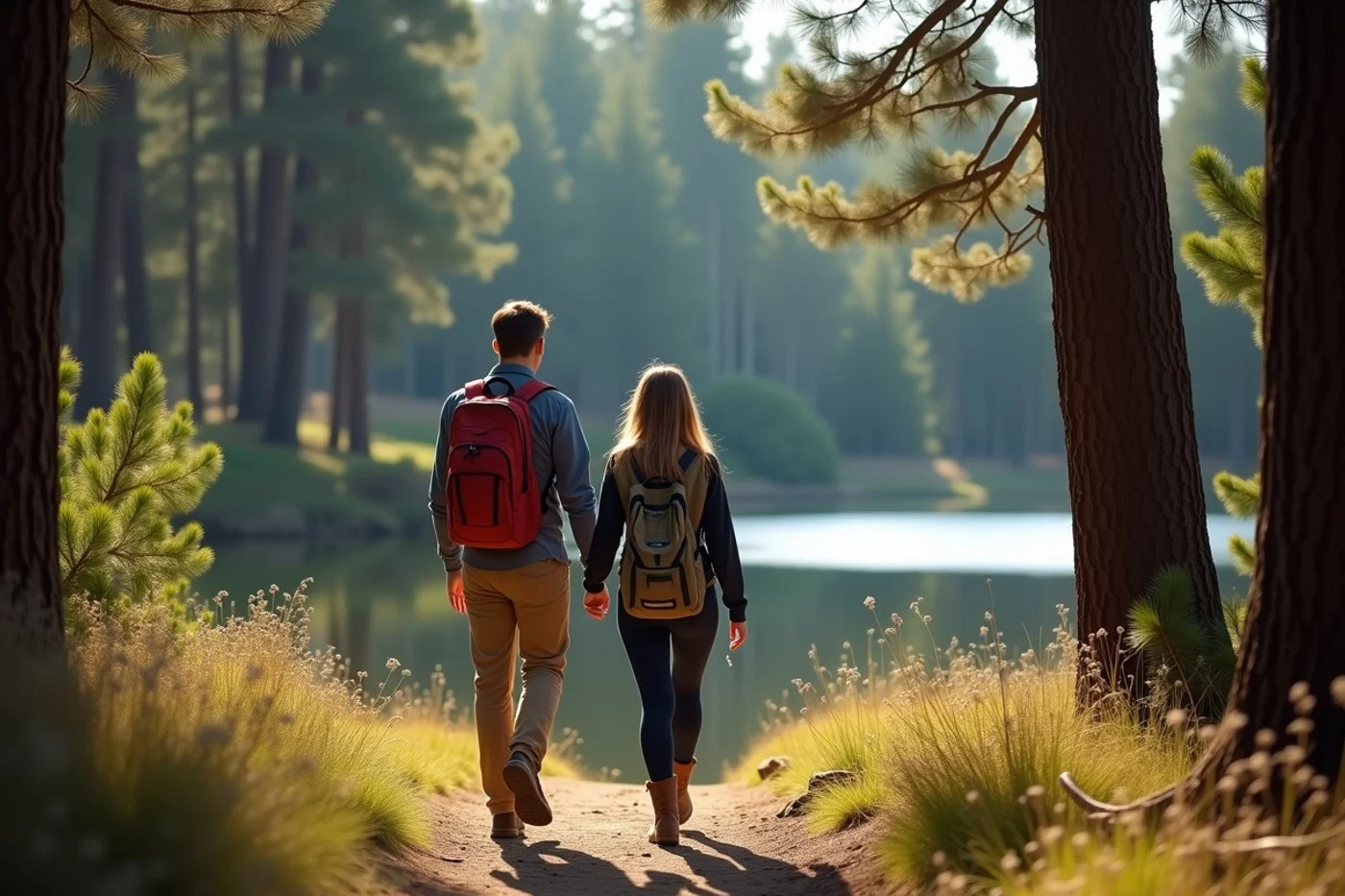
- Choose a route with regular public presence rather than an isolated overlook, secluded beach access point, or empty trail. In California cities and smaller communities alike, a short loop near visible shops, other visitors, or public facilities offers conversation without unnecessary isolation.
- Set a clear end time while it is still light, especially for a waterfront walk, park loop, or outdoor event that could run longer than expected. Daylight supports visibility and gives both people a natural stopping point.
- Tell a friend where you are going, who you are meeting, and when you expect to check in. Share the general route and the planned meeting point, not private details about the other person. Arrange a message or call after the date.
- Use independent transportation for the first meeting. Drive yourself, use a transit route you understand, or arrange your own rideshare rather than accepting a lift to an unfamiliar location. Keep enough phone battery and a backup way to get home.
- Agree on an easy exit point before meeting: a nearby public entrance, café, transit stop, or clearly marked parking area. A simple phrase such as “I’m going to head out now” should end the date without debate. Leave promptly if the setting or conversation feels unsafe.
Use a shorter alternative when the outdoors feels like too much
A café near a public market or civic area can preserve the relaxed feel of an outdoor date without requiring a long walk. Meet for one drink, then browse the market or nearby public space only if conversation is going well. This format suits busy city areas such as Los Angeles, San Francisco, and San Diego, where a date can stay focused without committing to a full afternoon.
Public indoor venues, including a library event space, gallery, or bookstore café, offer another low-pressure option when heat, rain, or poor air makes outdoor plans unattractive. Choose somewhere with seating and a natural stopping point rather than an activity that requires constant participation.
A brief walk between two nearby public places also works: meet for coffee, stroll for 15–20 minutes, and return to the starting area. It gives both people a chance to talk and a simple way to end the date without strenuous recreation or a long shared commitment.
## Choose an outdoor setting that keeps a first date easy > Pick an activity that leaves room for conversation and an early finish. A flat walk, garden path, waterfront promenade, public market, outdoor art area, or community event lets both people set the pace as they go. A neighborhood park loop suits a date that needs little planning and offers a natural stopping point after one lap. Botanical gardens and landscaped public spaces provide more to notice between conversations, but check their access rules before proposing one. Waterfront areas can feel relaxed in coastal California cities, provided the route stays near public paths and active businesses. Public markets give you something to browse and a clear reason to keep the meeting brief. Gentle recreation can work when it is truly optional and low-skill: renting a pedal boat where available, playing a casual round of mini golf, or joining a beginner-friendly outdoor class. Skip activities where one person could feel judged for speed, balance, athletic ability, or equipment knowledge. ## Match the activity to both people’s comfort and fitness Describe the plan plainly before either of you agrees. “A 30-minute flat walk near the café, then we can decide whether to stay longer” gives more useful information than “Let’s go hiking.” Mention hills, uneven ground, stairs, sand, sun exposure, and the likely length of the outing. Choose routes with benches, bathrooms, shade, and nearby food or transit when you do not yet know each other’s needs. A person managing an injury, limited mobility, fatigue, or a packed schedule may enjoy an outdoor date but not a long trail. Bring only what the activity calls for; a first meeting should not require someone to buy gear or commit an entire afternoon. ## Confirm access and conditions before leaving 1. Check the location’s current public-access information for opening hours, closures, trail restrictions, and any entry or parking requirements. 2. Confirm how each person will arrive. In Los Angeles and the Bay Area, a route that looks nearby on a map can still involve difficult parking or a long transfer. Select a visible meeting point rather than asking either person to search for the other in a large park. 3. Look at the terrain and accessibility details, including paved paths, restroom locations, seating, and distance from the entrance. 4. Review the forecast and local air-quality conditions on the day of the date. Inland California heat can be intense well before late afternoon, while the coast may be windy and cool. 5. Set a decision time for changing plans. A quick message such as “Let’s switch to the café nearby if conditions are unpleasant” prevents last-minute uncertainty. ## Plan for California weather and environmental changes Heat calls for an earlier meeting, water, sunscreen, and a shaded route. In desert and inland areas, postpone rather than push through extreme heat. For a coastal walk, bring a light layer and expect wind or fog even when inland temperatures are warm. Rain can turn dirt paths muddy and reduce visibility on roads and trails. Wildfire smoke is another reason to move the date indoors or reschedule, especially when either person has respiratory concerns. At beaches and waterfronts, avoid exposed areas during hazardous surf or poor visibility. Early darkness matters in every region: plan to finish while routes, parking areas, and transit stops are still well lit and active. ## Keep an outdoor first meeting public and comfortable - Meet at a populated entrance, café counter, visitor area, or another obvious public landmark. - Keep the first route on maintained paths rather than isolated trails, overlooks, or remote beaches. - Arrange independent transportation and avoid sharing a home address or accepting a ride from someone you have not met. - Tell a trusted person where you are going, who you are meeting, and when you expect to check in. - Charge your phone, keep it accessible, and carry enough water for the conditions. - Agree on a short initial window, such as a walk before coffee, so either person can leave without an awkward explanation. ## Use a shorter alternative when the outdoors feels like too much A brief outdoor segment can preserve the relaxed feel without turning the date into an excursion. Meet for coffee beside a public plaza, browse a market, walk one busy block or a waterfront path, then decide together whether to continue. A museum, bookstore, food hall, or other public indoor venue nearby gives you a weather backup without requiring a new plan. Send an invitation with the practical details included: the meeting point, expected duration, route difficulty, and backup option. That level of clarity helps both people decide comfortably before the date begins.