
To attract people seeking a serious relationship, write a profile that states your long-term intent, shows your values through concrete lifestyle details, and sets realistic expectations about time and distance. Use positive language for partner preferences, describe essential boundaries without complaints about past dates, and choose current photos that match your written profile. For California singles, specific details about routines, travel, work, family, and preferred ways to spend time can help potential matches judge compatibility.
State Your Long-Term Intent Clearly Without Making Demands

Put your relationship direction near the beginning of the profile, using plain language that describes your intention rather than setting a deadline. For example: “I’m dating with the hope of building a committed, long-term relationship, and I’m open to letting that develop at a natural pace.” This signals seriousness without implying that every match must make an immediate promise.
Keep the wording centered on your choices: “I’m here to meet someone for a genuine relationship” sounds more welcoming than a demand aimed at strangers. Mentioning long-term intent once, in the bio or a prominent prompt, is usually enough; repeating it in several sections can make the profile feel like an application form.
Avoid fixed timelines or tests such as “commit within three dates” or “only message if you know exactly what you want.” People may share your direction while moving at different speeds. A warm statement of purpose leaves room for conversation and helps relationship-minded matches understand why you are using the app.
Turn Your Values and Lifestyle Into Concrete Profile Details
| Label | Before | After |
|---|---|---|
| Routine | I value balance and staying active. | My week usually includes early walks, two strength-training sessions, and a quiet evening to cook at home. On weekends, I like exploring a new trail or neighborhood café. |
| Interests | I enjoy food, travel, and good conversation. | I’m happiest trying a new taco spot, planning a short California road trip, or spending an unhurried afternoon talking over coffee. I also enjoy learning the story behind regional dishes. |
| Community ties | Family and friends matter to me. | I make regular time for Sunday calls with family and help with a local shoreline cleanup when my schedule allows. Close friendships are an important part of my life. |
| Preferred time together | I like simple, meaningful experiences. | A great day for me might be a farmers market, a walk near the water, and cooking dinner together afterward. I appreciate plans that leave room for conversation rather than constant activity. |
Describe the Time and Energy You Can Realistically Offer

A relationship-minded profile should give a truthful picture of how dating fits into your week. You do not need to account for every hour; name the pattern a potential match would need to understand. For instance: “My workdays can run late, but I protect a couple of evenings and most Sunday afternoons for seeing someone.” That signals interest and a workable rhythm more clearly than saying you are “busy but worth it.”
State standing commitments plainly when they affect plans. A parent might write, “I share parenting time, so I’m usually free for dates on alternate weekends and some weeknights.” Someone who travels between Los Angeles and the Bay Area for work could say, “I split time between the two cities and prefer meeting when I’m actually in town, not building a connection entirely by text.” This is useful context, not an apology.
Match the pace you describe to what you can sustain. “I like a little conversation first, then a simple public meet-up within a week or two when there’s mutual interest” sets a grounded expectation. Avoid promising spontaneous availability, frequent trips across California, or daily messaging when your schedule cannot support it. The right match can decide early whether the distance, timing, and energy fit both lives.
Present Partner Preferences as Invitations to Connect
Write about the qualities that help a relationship feel good to you, rather than a list of people to exclude. Specific, forward-looking language gives compatible California singles a reason to respond: “I’m drawn to someone who communicates directly, follows through on plans, and can laugh when a weekend hike turns into a foggy walk.”
Name relationship habits alongside personality traits. “I appreciate curiosity, kindness to service staff, and the habit of talking through small misunderstandings before they become large ones” says more than asking for someone who is simply “honest” or “drama-free.” It also gives readers a clearer picture of daily compatibility.
Keep the invitation human rather than overly polished. A line such as “I’d enjoy meeting someone who values close friends, has interests of their own, and wants to build a partnership with room for both shared rituals and separate lives” signals substance without sounding like a screening form. Choose two or three preferences that genuinely shape your connections, then let the rest emerge in conversation.
Address Important Deal Breakers Without Filling the Profile With Negativity
Deal breakers belong in a profile when they describe a genuine compatibility boundary, not a reaction to an unpleasant match. Keep the list short and separate essentials from preferences. Examples might include smoking, an unwillingness to date someone with children, an incompatible approach to religion, or someone who is not fully single. Details that merely describe an ideal partner can stay in the broader preferences section.
Use calm, direct wording instead of warnings or accusations. “I’m not a fit for someone who is currently married or separated” communicates a boundary more clearly than “No cheaters or complicated situations.” Likewise, “I’m not able to date someone who smokes” states a practical limit without inviting an argument. A boundary should tell a compatible reader where you stand, not demand that strangers defend themselves.
Leave complaints about past matches out of the profile. Phrases such as “No liars, games, drama, or flaky people” create a negative opening and provide little useful information. Replace them with one precise boundary when it matters, or discuss the nuance after a match. Re-read the profile before publishing: each exclusion should identify a real condition that would prevent a relationship from working, rather than a frustration you encountered online.
Select Photos That Reinforce a Relationship-Minded Profile
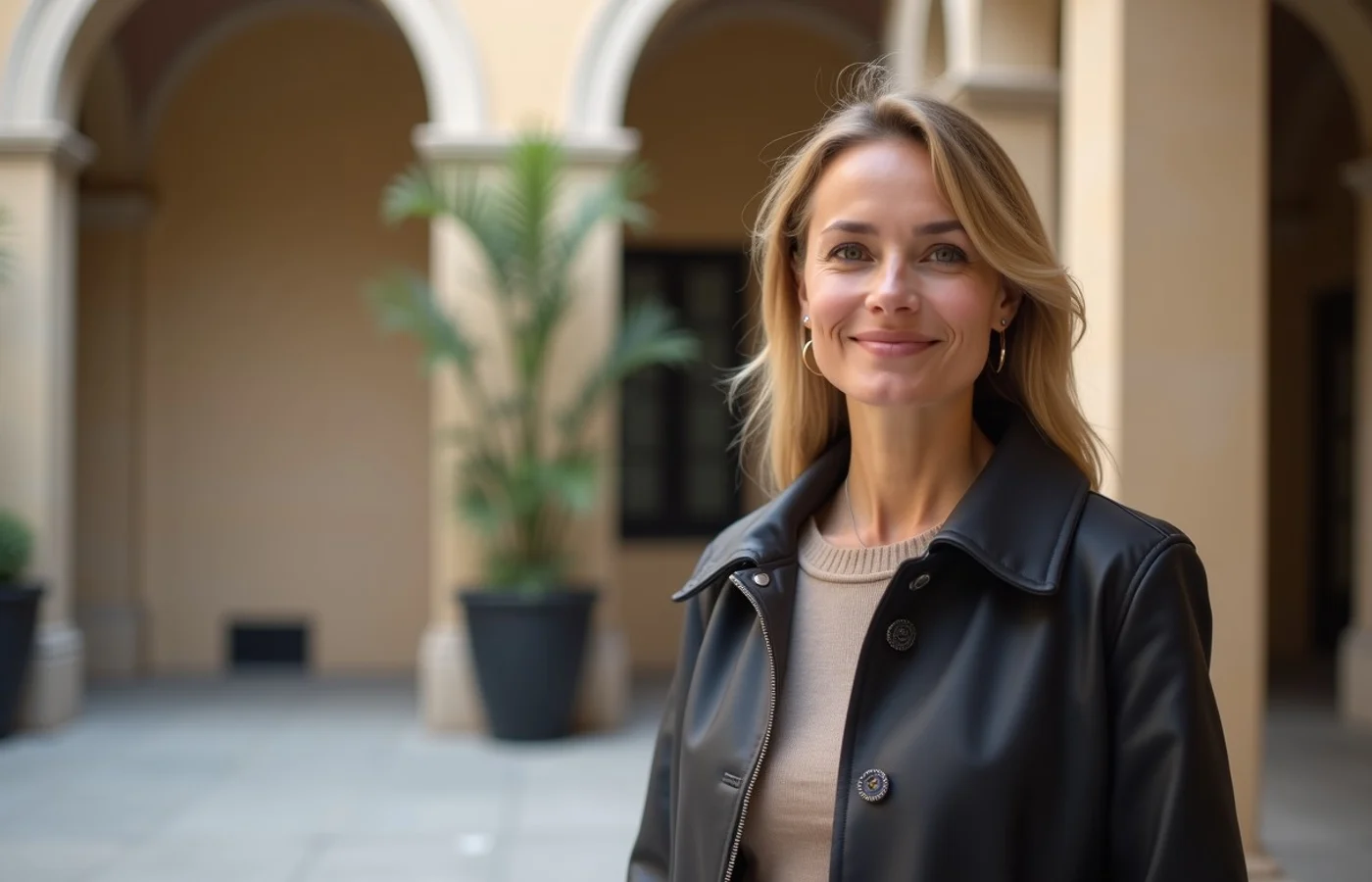
Choose a first photo that identifies you quickly: face visible, recent, well lit, and free from heavy filters, sunglasses, or a distant crop. Add several current images that show how you look in ordinary settings, not only on special occasions. Someone considering a long-term relationship needs a credible sense of the person they would actually meet.
Use variety without turning the profile into a travel album. One relaxed outdoor photo can suggest how you enjoy California’s climate; another might show a hobby, a meal you prepared, or a quiet weekend activity. The setting should support the written profile rather than substitute for details about your life.
Include a social photo only after your individual images are clear, and make sure it is obvious which person you are. Avoid photos with former partners, cropped companions, or a lineup of nearly identical group shots. Review the sequence for consistency: your appearance, age cues, interests, and tone should not conflict from image to image. Replace pictures when your hairstyle, glasses, facial hair, or everyday presentation has changed substantially.
Questions about dating profile tips for serious relationships
Should I mention a divorce or past relationship in my dating profile?
Usually, keep the profile focused on your present life and what you are ready to build next. You can briefly acknowledge that you are divorced if it is relevant to your circumstances, but avoid explaining the breakup, criticizing an ex, or using the profile to prove that you have moved on. Save personal history for a private conversation after mutual interest develops.
How specific should my California location be?
Name the broad area where you live and be honest about the distance you can regularly manage. Someone in a large metro area may be open to matches across several communities, while a long commute can make an otherwise strong match impractical. Do not publish an exact address, workplace, or identifying daily route.
How can I check whether my profile sounds serious without sounding formal?
Read the profile aloud and remove language that sounds like a demand, slogan, or screening form. Replace broad statements such as “I want someone genuine” with one short example of how you build trust or spend time together. Ask a trusted person whether the profile sounds like your current personality, not an idealized version of you.
When should I update a relationship-focused dating profile?
Review it when your routines, location, availability, or relationship priorities change. Replace photos that no longer reflect your appearance or lifestyle, and remove references to activities you no longer enjoy. Small updates can keep the profile accurate without turning it into a running diary of every recent change.
Before publishing, read the profile as a potential match would. Replace vague phrases with two or three specific details, check that your availability is honestly represented, remove any hostile-sounding rules, and confirm that your photos show the same person and lifestyle described in the text.