
First message ideas for singles over 40 work best when they connect with something specific in a match’s profile and end with an easy question. For California singles, that detail might involve a commute, outdoor routine, creative interest, family schedule, or the distance between regions. A thoughtful opener shows attention without guessing about someone’s age, finances, children, or relationship history. Keep the first exchange light enough to answer, but clear enough to reveal whether your interests and intentions may fit.
Make an opening message relevant without making assumptions
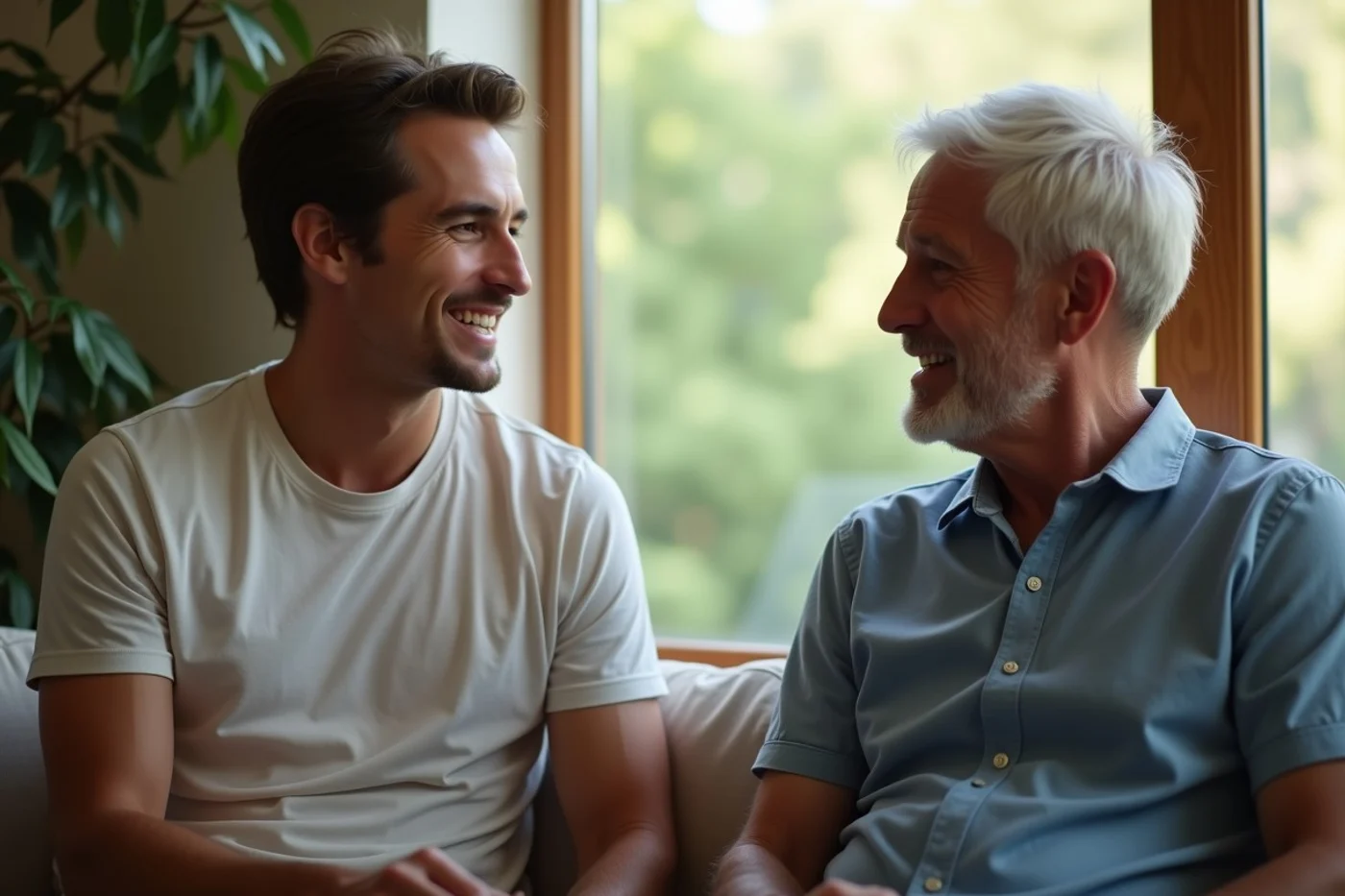
“Start with evidence, not a theory about the person.” For singles over 40, refer to a detail the match deliberately shared: an interest, a routine, or a value. That approach shows attention without guessing what their life must look like.
“Your profile’s mention of restoring old bicycles caught my attention—what do you enjoy most about it?” You could also write, “I like that you described weekends as unhurried. That sounds appealing.” These messages build from the profile rather than from stereotypes.
Skip assumptions about children, money, retirement, health, divorce, widowhood, or past relationships. Age can shape perspective, but it does not reveal someone’s circumstances. Let the match choose which parts of their life to explain.
Use questions that invite a real answer
An effective first message gives the other person room to share something, rather than asking for a summary of their life. Choose one clear question about a preference, an experience, or a priority. A single inviting prompt usually feels more natural than a string of questions about work, family, location, and relationship history.
Preference-based questions can stay light while revealing personality: “What kind of weekend helps you reset?” or “Which California landscape do you never get tired of visiting?” Experience-based prompts encourage a small story: “What is something you tried recently that turned out better than expected?” A question about priorities can open a deeper exchange without becoming too personal: “What do you value most in the way you spend your free time?”
Avoid questions that sound like screening forms, such as “What do you do, where do you live, and what are you looking for?” Break those subjects into separate conversations. You can also offer your own brief answer after the question: “I recharge with a quiet morning and a long walk. What does a restorative weekend look like for you?” That gives the match a comfortable starting point and keeps the exchange mutual rather than turning it into an interview.
Adapt messages to varied California lifestyles

- For an urban commuter, acknowledge the rhythm they mention: “You said your train ride is your reading time—what book has held your attention lately?” It is more personal than asking how bad their commute is.
- With an outdoor-focused profile, pick the activity rather than treating California scenery as a generic talking point: “Your sunrise trail photo caught my eye. Are you someone who heads out early for the quiet, or for the view at the end?”
- For arts or food interests, use the detail they supplied: “You mentioned hunting for small galleries and trying new dumpling spots. Which is more likely to pull you out on a free afternoon?”
- When a match states that they are a parent, respect the limited window without probing family details: “Your profile has a refreshingly practical take on protecting free time. What do you most enjoy doing when you have an evening to yourself?”
- For a busy professional, leave room for life beyond work: “You seem to care about your work and your downtime. What helps you switch gears after a demanding week?”
- For someone who mentions living in one California region and regularly visiting another, address the shared logistics plainly: “You split time between two parts of the state—has that given you a favorite stop or ritual along the way?”
Signal serious intentions without overloading the first exchange
A first message can name your direction without treating a match as a future commitment. State that you are open to a lasting partnership, then pair it with a low-pressure question. This distinguishes sincere interest from urgency and leaves both people room to decide whether the conversation has momentum.
Try: “Your profile comes across as thoughtful. I’m dating with the hope of building a real relationship, but I also value taking time to see whether conversation feels easy. What does a satisfying weekend usually look like for you?” Or: “I appreciated your note about valuing kindness and consistency. I’m interested in meeting someone for something meaningful, one conversation at a time. What tends to make you feel connected to someone?”
Skip language that sets a deadline, asks for proof of commitment, or implies that being over 40 requires settling quickly. “Ready to find my last partner” can feel heavier than intended before you have exchanged a greeting. A calmer line such as “I’m here for a genuine relationship rather than endless messaging” communicates purpose while inviting a mutual, gradual discovery.
Recover when the reply is short or noncommittal

- Send one light follow-up that gives the conversation somewhere to go. After “Pretty busy lately,” try: “That sounds like a full week. What do you usually do to reset when you finally have an unscheduled evening?”
- Shift to a simpler topic when your first question may have been too broad. A reply of “I like the coast” could receive: “Fair enough—are you more likely to stop for a walk, a coffee, or just the view?”
- Match their level of effort rather than filling the silence with several new questions. A brief answer can mean they are distracted, uncertain, or simply not interested; it does not require an explanation.
- Stop after one follow-up when they do not reply, or when they continue answering without asking anything back. Leave the exchange there instead of sending a final nudge or trying to persuade them to engage.
Review an opener before sending it
Before pressing send, check that the message contains one genuine detail from the match’s profile, uses plain language, and gives the other person a clear way to respond. “You mentioned restoring an old house—what part of the work has surprised you most?” is more usable than a vague “Tell me about yourself.” Keep the first note short enough to answer without composing an essay.
Read the message once for tone. Remove sarcasm, heavy flirting, complaints about dating, and wording that could sound like a test. Check that the question does not assume someone’s family situation, income, schedule, beliefs, or relationship history. A respectful opener shows interest without demanding personal information before trust has developed.
Finally, ask whether the message sounds like something you would say in an ordinary conversation. Correct typos that could obscure your meaning, but do not polish the wording until it feels artificial. Look for a balanced exchange: one observation, one question, and no hidden pressure to reply immediately. If the note could be sent unchanged to many profiles, replace the generic line with a detail that belongs to this conversation.
## Make an opening message relevant without making assumptions “Notice what they chose to share, then ask about that—not the life story you imagine behind it.” Use a detail the match has stated directly. A profile that mentions weekend cycling can support a question about favorite routes or what makes a ride enjoyable. A note about live music can lead to a question about preferred settings or memorable performances. The message should respond to the profile, not to an assumption about why the person is dating. Avoid guessing about family status, income, work seniority, health, divorce, widowhood, or the kind of relationship they had before joining the app. Even a question intended as friendly, such as asking whether someone is dating after a divorce, can feel intrusive when that information was not offered. Let the match decide what personal context to share. ## Use questions that invite a real answer An inviting question gives the other person room to answer in their own words. Ask about preferences, experiences, or priorities instead of requesting a résumé. “What kind of weekend leaves you feeling recharged?” usually opens more possibilities than “What do you do, where do you live, and what are you looking for?” Try questions such as: - “You mentioned cooking at home. What is the dish you enjoy making when you have time?” - “Your profile says you like exploring California’s smaller towns. What do you look for when choosing a place to visit?” - “You seem to value quiet mornings. What does an ideal Saturday look like for you?” - “You wrote that you enjoy your work but protect your time outside it. What helps you keep that balance?” One question is usually enough for a first message. A short comment about the profile detail can make the opener feel conversational: “Your interest in independent films stood out. What kind of story keeps you watching until the end?” ## Adapt messages to varied California lifestyles 1. **For urban commuters:** Refer to a routine only when the profile mentions it. “You noted that your week involves a long commute. What do you do to make the trip feel like personal time?” This acknowledges a stated part of life without treating the commute as a complaint or a measure of success. 2. **For outdoor enthusiasts:** Ask about the experience rather than testing knowledge or fitness. “You mentioned spending time outdoors. Do you prefer a challenging day out or a slower route with time to stop and look around?” The choice gives the match two comfortable ways to answer. 3. **For arts and food interests:** Focus on taste and discovery rather than asking for recommendations as though the match is providing a service. “Your profile combines galleries and home cooking. Which one usually helps you unwind after a busy week?” 4. **For parents or people with busy schedules:** Do not presume children, custody arrangements, or availability. When a match has described a full calendar, try: “You seem to value a well-planned week. What kind of time feels worth protecting for yourself?” 5. **For professionals:** Skip job-title shorthand and status questions. “You mentioned leading complex projects. What part of your work do you still find satisfying?” This invites a personal answer without turning the conversation into an interview. 6. **For people living between California regions:** Distance can matter, but it need not dominate the first message. “You appear to divide your time between two parts of the state. What do you enjoy about each?” Later, the conversation can address whether the travel involved fits both people’s routines. ## Signal serious intentions without overloading the first exchange A person seeking a meaningful relationship can be direct without presenting a list of requirements. Brief language works well: “I’m interested in getting to know someone for a genuine, lasting relationship, and your profile caught my attention. What are you hoping to find here?” Another option is to lead with the profile detail and add the intention naturally: “I liked your point about building a calm, active life. I’m dating with a serious relationship in mind. What does a good partnership look like to you?” These messages state direction while leaving room for the other person’s answer. Avoid declarations about compatibility before a conversation has started, and do not ask for decisions about exclusivity, marriage, or a future together in the opening exchange. Serious intentions are best shown through clarity, patience, and attention to the response. ## Recover when the reply is short or noncommittal - **Offer one respectful follow-up:** “Thanks for answering. What part of that has been most rewarding for you?” - **Shift to a related topic:** If the reply is brief about work, move toward a preference: “Understood. When you have free time, what do you usually choose to do?” - **Match the level of effort:** A short reply does not always mean disinterest, but repeated one-word answers give little material for a two-sided exchange. - **Give the conversation room:** After one follow-up, wait rather than sending several new questions or explanations. - **Stop when the exchange stays one-sided:** A simple ending such as “It seems the timing or conversation may not be a fit, so I’ll leave it here. Wishing you well” is clearer and more respectful than persistent messaging. ## Review an opener before sending it Check that the message names one genuine profile detail, asks one question that can be answered without research, and sounds like something you would say aloud. Remove assumptions about age, family, finances, health, relationship history, or availability. Look for a respectful tone rather than exaggerated praise, pressure, or a disguised questionnaire. Finally, read the message once from the recipient’s perspective: does it invite a choice of answer, or does it demand personal information? When the wording feels natural and the question leaves room for the match’s own priorities, send it and let the response guide the next exchange. Before sending, choose one profile detail, write one easy-to-answer question around it, and resist adding a second question until the match has had a chance to respond.