
Online dating for California professionals works best when it is treated as a limited, repeatable part of the week rather than another always-on obligation. Set a relationship intention, a realistic communication pace, and a travel radius before you match. Then use your profile and early conversations to test for compatible availability, not merely shared career ambition. Clear boundaries around work information and calendar access protect both privacy and the chance to show up as a person, not a job title.
Define a dating approach that fits a demanding calendar
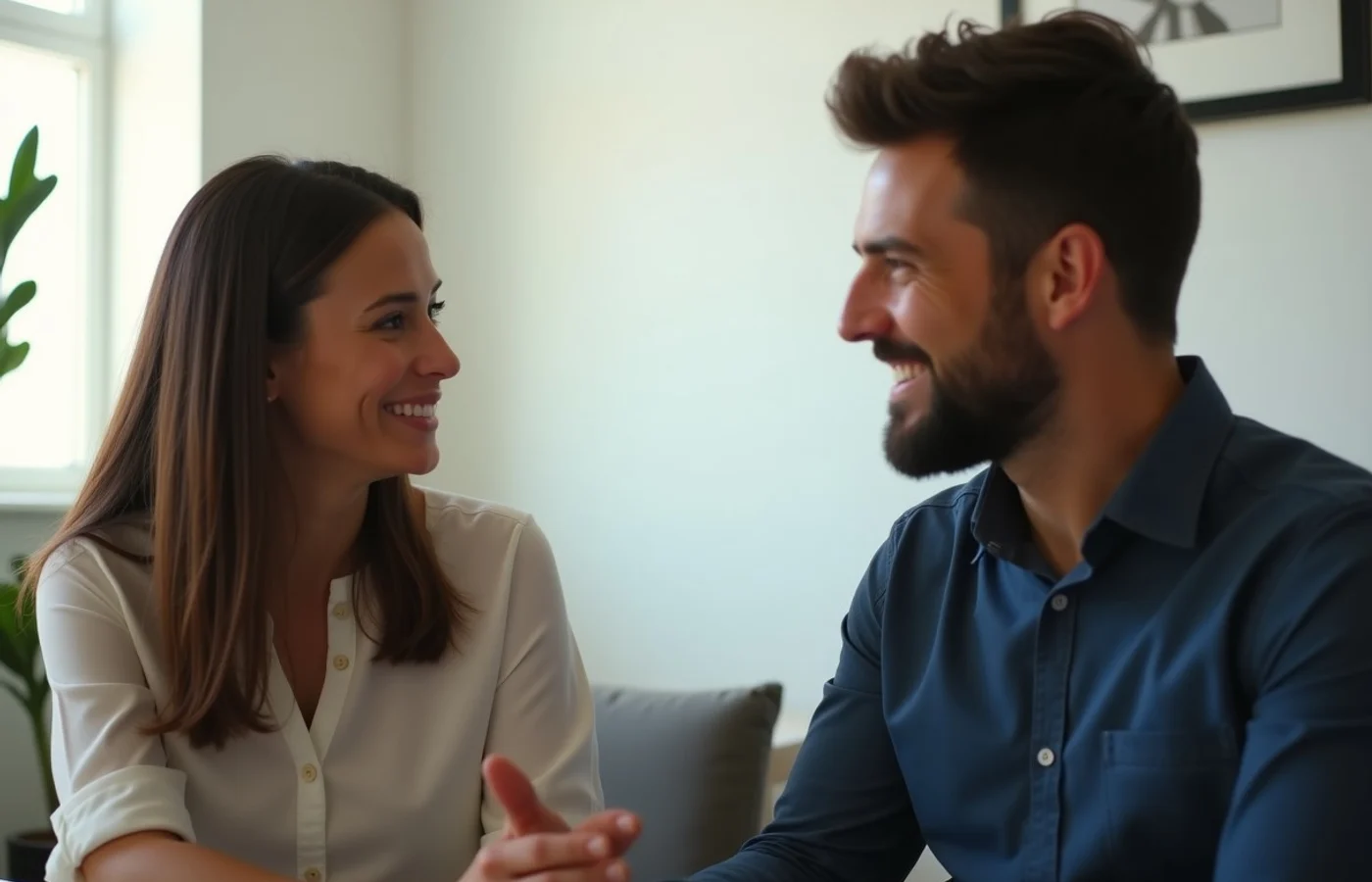
California professionals can use online dating efficiently by choosing a clear relationship objective, setting a modest weekly time budget, agreeing on a communication pace, and limiting distance to a range they can realistically manage. Start by deciding whether you are seeking a committed relationship, open-ended dating, or simply new connections; unclear aims tend to consume time without producing useful direction.
Reserve two or three brief sessions each week for browsing and replying, rather than checking an app throughout the workday. A schedule such as 20 minutes on two weeknights and one longer weekend window creates a sustainable rhythm without treating dating like another full-time task. Adjust the plan during travel, deadlines, or heavy client periods.
Set a geographic range by considering ordinary travel, not a map radius alone. Someone who regularly works in several parts of California may manage a broader area than someone tied to one office and a long commute. State your preferred pace early: short exchanges during the week, a planned call, or another arrangement that reflects your actual availability.
Describe your work life without turning the profile into a résumé
| Concrete Values |
|---|
|
|
|
|
Use a short screening routine before investing substantial time

Treat each new match as a brief fit check, not an open-ended correspondence. First, read the full profile for a stated relationship direction and basic signs that the person’s life is compatible with what you seek. Skip profiles that leave you guessing about intent or rely entirely on photos.
Next, exchange a small set of messages that require more than a yes-or-no answer. Ask about a recent interest, what they value in a relationship, or how they tend to spend free time. Their answers should be specific, reciprocal, and consistent with their profile; a polished opening alone says little about fit.
After a few substantive exchanges, decide between three clear outcomes: politely close the conversation, continue messaging briefly where there is a meaningful question to explore, or suggest a short call. A call is worth scheduling when both people communicate respectfully, share a compatible relationship direction, and show curiosity beyond work credentials. This routine protects limited attention without treating people like applications to process.
Make scheduling expectations clear from the first conversation
State your usual rhythm early, then offer a specific next step. “My weekdays can be meeting-heavy, but I’m usually free to talk Tuesday or Thursday after 7. Would either work for a short call?” is clearer than apologizing vaguely for being busy. A proposed window shows interest while keeping work time protected.
Delayed replies need only a brief explanation, not a work report. Try: “I’m tied up until this evening, but I’ll reply then,” or “I don’t check dating messages during my workday; I’ll catch up tonight.” Follow through when you say you will. Consistent communication matters more than immediate responses.
A full calendar is different from sustained unavailability. Rescheduling once with an alternative time can be ordinary. Repeated cancellations, days of silence without acknowledgment, or answers that never lead to a plan indicate that the connection may not have room to develop. Rather than keep negotiating, say, “It seems our schedules may not line up. I’m going to step back, but I wish you well.”
Discuss lifestyle compatibility beyond job titles

A demanding career is only one part of daily compatibility. Compare how each person uses time: frequent work travel may suit someone who values independence, but it can frustrate a partner who expects regular in-person plans. Evening preferences matter too. One person may reserve weeknights for recovery while another treats them as the best time to socialize. Weekends can reveal a similar mismatch between planned activities, family commitments, errands, and spontaneous outings.
Ambition also needs context rather than a label. Ask how much energy someone wants to devote to advancement, a side project, or a career change, and whether they expect a partner to share that intensity. Balance this with social energy: a highly social schedule may not fit someone who prefers quiet time after work. Relocation deserves a direct conversation when either person might move for an opportunity, family, or quality of life.
Relationship pace is another practical comparison. Some professionals prefer a gradual connection that leaves room for established routines; others want frequent dates and a clear path toward commitment. Notice whether your preferred pace, travel tolerance, weekend rhythm, and expectations around ambition can coexist. Shared job status matters less than a workable pattern for ordinary weeks and likely transitions.
Keep professional identity and dating identity separate
Keep early dating on personal channels rather than a work email, company messaging account, or professional networking profile. Share your field and the kind of work you enjoy, but leave out employer names, office access details, client identities, internal projects, and information learned under confidentiality. A short description such as “I work in healthcare operations and enjoy solving practical problems” gives context without turning your profile into a workplace directory.
Treat business contacts as separate from romantic contacts. Do not offer introductions to clients, colleagues, investors, recruiters, or vendors while the relationship is still new. The same boundary applies to requests for referrals, free professional advice, access to an event, or help with a work problem. You can answer plainly: “I keep dating and work contacts separate, so I’m not able to make that introduction.”
Keep meetings away from your workplace and avoid revealing routines that expose restricted areas or colleagues. A date does not need a tour of the office, details about your calendar system, or a list of people you work with. Notice how the other person responds when you protect those boundaries. Respect for a simple professional limit is more useful information than impressive job titles or shared industry interests.
Questions about online dating for California professionals
Can online dating for California professionals work with an unpredictable schedule?
Yes, provided you set an availability pattern rather than promising constant contact. Mention when your schedule is usually clearer, offer dates only after you can confirm them, and send a brief update when a work change affects a plan. Repeated cancellations without a concrete alternative are useful information about practical compatibility.
How should I handle dating when work travel is frequent?
State that travel is part of your routine once conversation becomes substantive, without sharing itineraries, hotel details, or client information. Focus on what travel means in practice: how often you are away, whether you can keep plans reliably, and whether you prefer to date locally or are open to a longer-distance connection within California.
What should I do when I see a colleague, client, or industry contact on a dating app?
Treat the app as separate from your professional channels. You can pass without comment, or use the app's privacy controls where available. Do not raise the profile at work, seek an introduction through shared contacts, or move the interaction to a business account.
Should I share my professional social-media profile before meeting?
Wait until mutual trust has developed. A professional profile can reveal an employer, work location, network, and career history that are unnecessary for an early conversation. Use the dating app or a separate contact method until you are comfortable sharing more identifying information.
Before you begin, choose two or three time windows each week for matching, messages, and dates, then state that rhythm plainly when a conversation shows promise. A concise profile can mention that your work is meaningful and that you value protected personal time without naming your employer, workplace, clients, or routine locations. Screen early for relationship direction, typical evenings and weekends, travel demands, social energy, and openness to a realistic meeting schedule. Someone who is busy but interested will usually offer a specific alternative when plans cannot happen; repeated vagueness is useful information. Keep early conversations off work systems, avoid sharing confidential details or professional contacts, and do not blur dating with business favors. This approach leaves room for genuine interest while keeping your career and private life appropriately separate.