
Los Angeles online dating for serious relationships works best when you treat intent, distance, and availability as early compatibility questions. State what you are building, set a realistic range for crossing the city, and look for people who communicate consistently and suggest concrete plans. A large local pool can create more options, but it also rewards selectivity: focus on shared values and a schedule that can support regular time together.
Translate a serious relationship goal into profile language
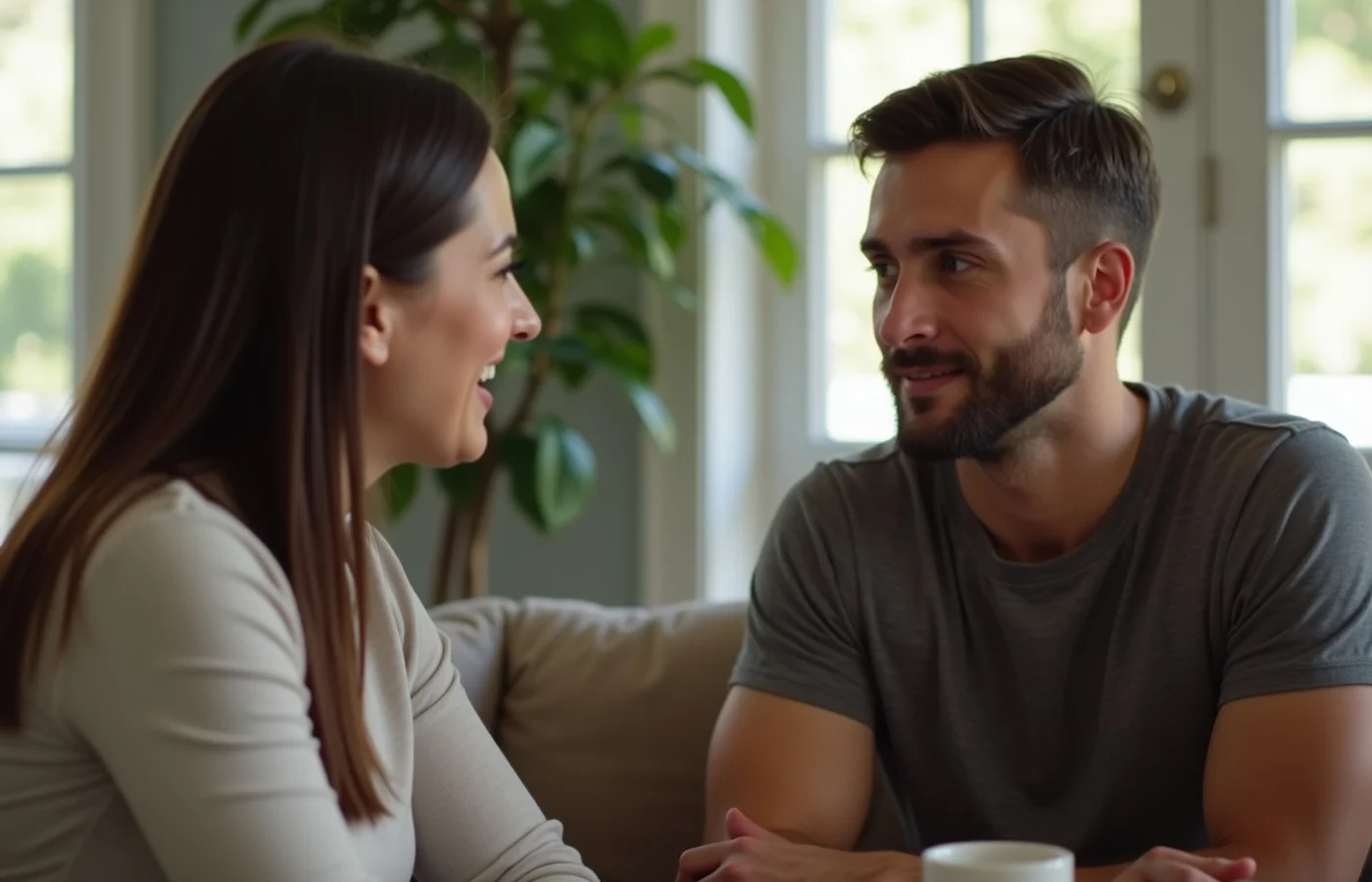
In Los Angeles, the clearest profiles say upfront that you’re dating for a committed relationship and then show what that looks like in practice. Replace vague lines like “let’s see what happens” with plain signals about pace, consistency, and the kind of partnership you want. That helps you attract people who are looking for the same outcome, not just more chat.
Use simple, specific language: “I like steady communication, thoughtful plans, and building something real over time.” You can add a sentence about how you date, such as preferring one-on-one time, clear plans, and people who follow through. That reads better than promising to be “serious,” which can sound empty on its own.
Keep the tone warm, not heavy. Mention two or three values that matter to you—kindness, curiosity, emotional availability, humor, or reliability—and give one everyday detail that reflects them. For example, you might note that you enjoy cooking at home, taking long walks, or trying a new neighborhood café. Concrete details invite better matches to start a real conversation.
Set a geographic range you can actually maintain
| Advantages | Considerations |
|---|---|
| Start with the trips you already sustain. Consider your home neighborhood, usual work location, and the days you are genuinely free. A match whose routine overlaps with yours may be more workable than someone who looks closer on a map. | A broad Los Angeles radius can produce promising profiles but turn each meeting into a major drive. Traffic, parking, and cross-town travel can reduce the time and energy left for getting acquainted. |
| Set an initial range around a realistic weekday or weekend trip, then adjust after a few conversations. Include adjacent areas only when one of you has a practical reason to be there, such as work, family, or a regular activity. | Do not treat a long distance as a temporary inconvenience without discussing the rhythm it would require. A San Fernando Valley-to-Westside connection, for example, may call for more advance planning than two people expect. |
| Ask early, in a matter-of-fact way, where someone is based, where they spend most weekdays, and how often they can meet. Public transit access can also affect which parts of the city are practical. | Avoid stretching your range solely to keep a promising chat alive. Serious dating needs enough shared time to develop, not just occasional plans that depend on an unusually clear evening. |
Screen for relationship readiness before committing to a long trip

Before setting aside significant time to meet, use the early exchange to see whether a match can participate in a steady, two-way conversation. Someone pursuing a serious relationship does not need to text all day, but their replies should generally follow through on earlier topics, acknowledge questions, and show interest beyond a compliment or a last-minute invitation.
Ask questions that reveal both intention and capacity: “What does a committed relationship look like in your life right now?” “What does a typical week leave room for?” and “What helped you decide to date seriously?” Notice whether the answers are specific without being rehearsed. A person who can describe their routine, communicate boundaries, and ask comparable questions about you offers more useful information than someone who stays charming but vague.
Look for a small pattern before escalating the effort. They suggest a time to talk, keep it, and propose an alternative when life intervenes. A brief video call can confirm conversational ease and whether both people are prepared to make a concrete plan. Repeated disappearing, indefinite talk of getting together, or pressure to meet immediately are reasons to pause rather than invest more energy.
Recognize useful signals in a crowded local dating pool
In Los Angeles, a large pool can create the illusion that every promising match is interchangeable. Profiles oriented toward a long-term relationship usually contain some usable specificity: a clear relationship intention, a few grounded details about daily life, and interests or values that give another person something real to respond to. “Hoping to build a partnership and eventually share a home” communicates more than “seeing what happens.”
Conversation should reinforce the profile rather than contradict it. A person who describes wanting a relationship and can discuss what partnership means to them—shared routines, emotional steadiness, family plans, or room for each other’s interests—offers a more substantive signal than someone who keeps every exchange at the level of banter. Openness does not require an immediate life story; it does involve answers with some direction.
Casual or unclear intent often appears as a pattern of broad labels and low-investment interaction: “just here for fun,” no indication of what they seek, a profile built entirely around photos, or repeated talk that turns flirtatious without becoming personal. Some people genuinely prefer a social connection or a short-term experience, which is valid. It simply may not match a search for commitment.
Treat these as filters, not verdicts. A concise profile is not proof of disinterest, and polished relationship language is not proof of readiness. Prioritize alignment between what a match says they want, the life they describe, and the care they bring to getting acquainted.
Choose a first-date format that leaves room for a second conversation

Choose a public setting that supports conversation without requiring a long commitment. A café, museum, market, or walkable daytime activity can work well because either person can leave comfortably after about an hour, while a good conversation can continue naturally. Pick a place with clear entrances, nearby transportation or parking options, and enough activity to feel comfortable without becoming noisy.
Match the format to the practical details of the date. A museum visit may suit someone who prefers shared prompts and pauses, while a café offers more direct conversation. A market or short walk can add movement, but avoid routes that are isolated, overly long, or difficult to shorten. In Los Angeles, agree on one specific meeting point rather than relying on vague directions across a large venue.
Keep the first plan simple: public location, daytime or early evening timing, a defined starting point, and an easy departure. Confirm the plan on the day without turning it into a long negotiation. A short coffee near a convenient transit connection may be more useful than an elaborate outing that creates pressure before you know how the interaction feels.
Review the connection after meeting without overinterpreting chemistry
After the date, separate a strong first impression from the qualities that support a relationship. Ask yourself: Did I feel comfortable speaking honestly? Was the conversation reciprocal, or did one person carry it? Did I leave feeling respected and interested in learning more? A quiet or slightly awkward meeting is not automatically a poor sign, just as instant excitement does not establish compatibility.
Consider the practical and values questions that surfaced. Were your expectations about commitment, communication, and lifestyle broadly compatible? Could your schedules and locations support seeing each other without creating ongoing strain? Enjoying a shared interest is useful, but so is noticing how each person handled disagreement, uncertainty, or a change in plans.
When the answer is “curious and comfortable,” send a clear message that names something you enjoyed and proposes another simple meeting. If interest feels uncertain, take a little space rather than promising enthusiasm. When the connection is not right, a brief, respectful message is kinder than leaving the other person to interpret silence.
Questions about Los Angeles online dating for serious relationships
Is a video call appropriate before meeting someone from another part of Los Angeles?
Yes. A short call can confirm that conversation feels natural before either person commits to a cross-city drive or a long transit trip. Keep it simple: agree on a brief time, talk as you normally would, and use it to see whether meeting in person still feels worthwhile. It should not become a substitute for meeting when both people are interested and comfortable.
When should two people discuss exclusivity?
Discuss it when the connection has become regular and both people are considering whether to focus on each other. There is no required number of dates. A direct conversation works better than assumptions: ask whether the other person is still dating others, share what pace feels right to you, and clarify what exclusivity would mean in practice.
How much should serious daters share about marriage, children, religion, or politics early on?
Share the parts that would materially affect compatibility, but avoid turning an early exchange into a full life interview. A profile can signal major priorities, such as wanting a committed partnership or having children. Once interest is mutual, discuss timelines, family plans, beliefs, and other non-negotiables with enough specificity to prevent avoidable confusion.
How can I use dating apps without letting them take over my week?
Set a limited window for browsing and replying, then move promising conversations toward a call or a date rather than maintaining many open chats. Pause new matches when you already have enough conversations to evaluate. This keeps attention on actual compatibility instead of the feeling that an endless Los Angeles pool requires constant monitoring.
Before proposing a first meeting, decide whether the connection has cleared three practical tests: compatible relationship intentions, a manageable route between your usual areas, and reciprocal effort in conversation. When those answers are clear, choose a brief public date with enough time to talk and an easy endpoint. Afterward, assess comfort, curiosity, and follow-through before investing in a longer trip or more time.