
The best dating profile photos for California singles are current, clear, and varied: start with an unobstructed portrait, add an accurate full-length image, then show a few genuine activities or social moments. Keep group shots easy to interpret, use natural lighting, and avoid heavy filters or misleading edits. Photos can reflect life in California without revealing your home, workplace, children’s details, regular routines, or other private information.
Make the first photo a clear and current view of you
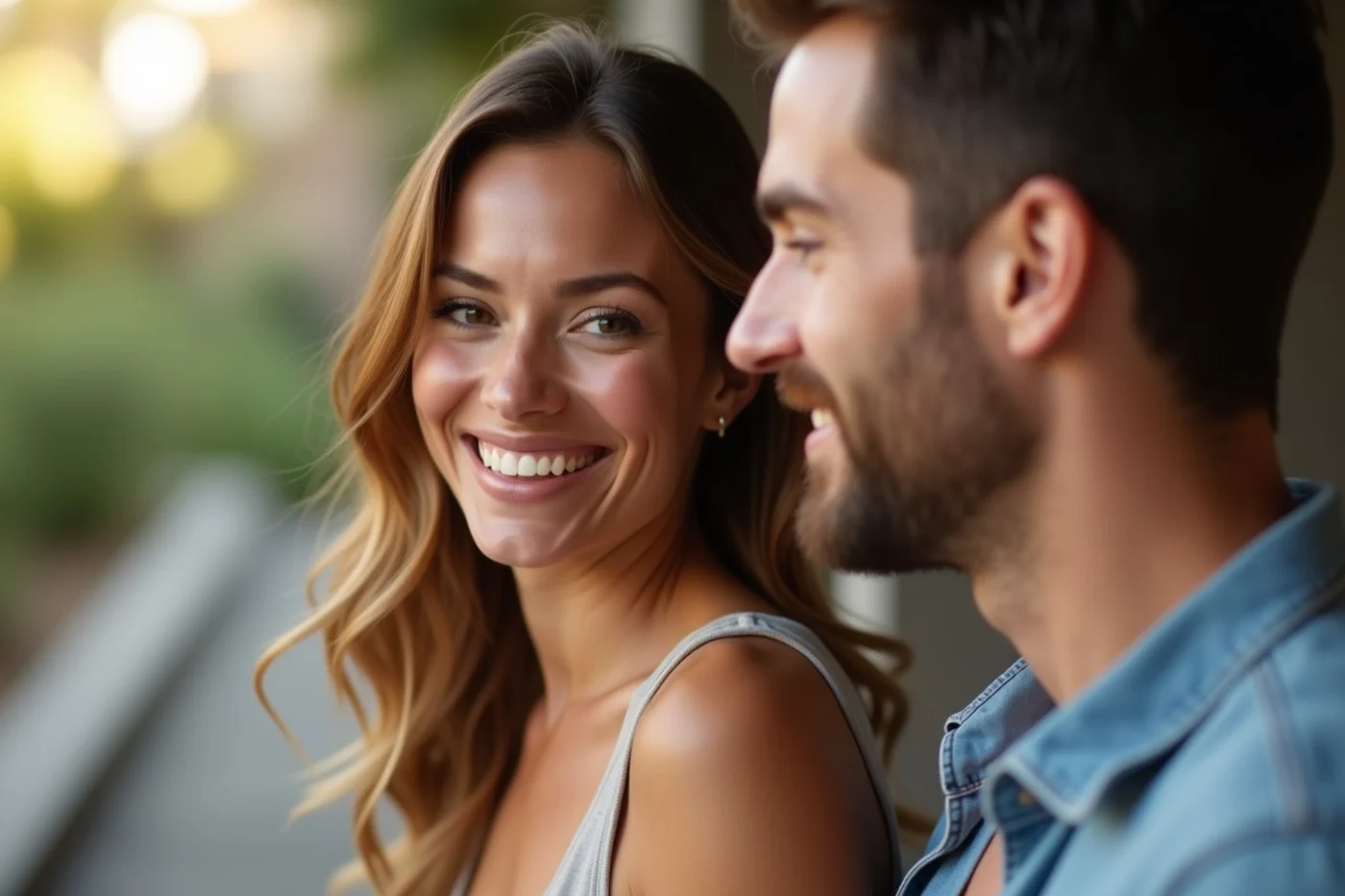
Choose a recent lead photo that shows your face plainly and gives a potential match an immediate sense of who is behind the profile. Your eyes should be visible, your expression relaxed, and your appearance recognizable without guessing. Avoid images where another person is closer to the camera, your face is partly hidden, or a costume changes the basic impression.
Use a portrait that reflects how you look when meeting someone in everyday life. A natural smile is helpful, but a neutral expression can work when it feels more like you. The image should not depend on a dramatic pose, heavy disguise, or an old snapshot from a different stage of life. California singles may include a setting that feels personal, but the face—not a beach, skyline, car, or landmark—should remain the unmistakable subject.
Before uploading, ask whether a stranger could identify you from this image alone and whether the photo still represents you now. If either answer is unclear, select another lead photo.
Show your appearance accurately from more than one perspective
A strong gallery lets someone form a realistic impression of your appearance without turning every image into a posed portrait. Add one recent full-length photo in ordinary clothing, then use closer images that show your face from slightly different distances or angles. The set should feel consistent: the person visible in the full-length image should clearly match the person in the closer views.
These photos do not need professional production or revealing outfits. Choose images that resemble how you might appear on a casual date, while avoiding old pictures, heavy retouching, or angles that conceal your shape. Use the comparison below to check whether each image adds useful information.
| Photo | Best Use | Keep In Mind |
|---|---|---|
| Full-length view | Shows overall appearance, clothing style, and proportions in a natural standing or walking pose. | Choose a relaxed image with enough space around you; avoid making it the only clear view of your face. |
| Closer everyday portrait | Adds facial detail and confirms that your appearance matches the lead photo. | Select a different expression or setting rather than a near-duplicate of the first image. |
| Three-quarter or seated view | Provides another honest perspective while showing how you look in a less formal posture. | Keep clothing and cropping ordinary; the image should clarify, not create mystery. |
| Personal-detail image | Shows a distinctive feature such as glasses, a beard, or a usual hairstyle when those are part of your current appearance. | Use it only if it remains recent and recognizable, without relying on costumes or dramatic transformation. |
Use California activities to reveal personality rather than manufacture an image
- Choose an activity photo that reflects something you genuinely do, such as hiking, cycling, gardening, cooking, or visiting an art event. The activity should suggest an interest you can discuss, not simply provide a scenic California backdrop.
- Let the setting add context. A neighborhood café, farmers’ market, coastal walk, park outing, or community gathering can show the rhythm of your life without relying on a famous view or a staged landmark pose.
- Match the image to the kind of connection you hope to build. A home-cooked meal can signal enjoyment of shared food; a trail or shoreline scene can show how you spend free time; an arts or community photo can point to recurring interests.
- Choose natural participation over theatrical posing. A photo taken while preparing food, exploring a park, or attending an event usually communicates more than standing beside a surfboard or holding equipment you rarely use.
- Keep the activity understandable to someone who does not share your hobbies. The image should offer an opening for conversation, not require insider knowledge about a particular California neighborhood, coastline, or local scene.
Keep group photos useful and easy to understand
One group photo can show that friends and community matter to you, but it should never leave someone guessing which person owns the profile. Place it after several solo images, choose a small group, and make yourself immediately identifiable without captions or visual detective work. Skip a gallery built around weddings, reunions, or crowded nights out where faces blur together.
Avoid using several photos with the same friend, especially when your appearances or ages are similar; viewers may mistake that person for a former partner or assume the profile is shared. Leave out ex-partners, even if the image otherwise feels flattering. Ask friends before posting a recognizable photo of them, and do not include children whose faces, school details, or activities identify them. A simple shot with two or three consenting adult friends is usually enough social context.
Improve lighting, framing, and quality without misleading edits
Use soft, even light that lets facial features remain visible. Open shade outdoors or a bright room near a window can work well; harsh overhead light, deep shadows, and strong backlighting can obscure details. Frame the image at a natural distance, with enough space around your head and shoulders rather than cropping tightly or placing the camera too low.
Choose a sharp, well-sized image and check it on a phone before uploading. A steady camera, clean lens, and simple background help more than elaborate production. Keep the camera near eye level and avoid angles that dramatically lengthen, narrow, or distort your face or body.
Skip filters that alter skin, facial structure, hair, or coloring. Sunglasses can suit an activity photo, but they should not dominate the set; the same applies to hats that hide your face. Minor adjustments to brightness or cropping are reasonable when they preserve what you actually look like. Replace blurry, heavily compressed, or visibly dated images.
Arrange the gallery to create variety without repetition
Treat the gallery as a short visual introduction, not a stack of similar snapshots. Each image should answer a different question about your everyday life while keeping you recognizable throughout.
A practical sequence is: clear lead portrait, accurate full-length view, activity or California setting, social-context image, then a personal detail such as a hobby, creative interest, or favorite kind of outing. Adjust the order when one photo is substantially stronger, but keep the first two images easy to interpret.
“Keep one strong example of each idea.” Remove near-duplicates with the same outfit, pose, background, or expression. Two similar coastline shots, for example, add less than one coastline image paired with a distinct activity or social moment. Review the set as a whole on your phone before publishing.
Remove visual clues that reveal more than you intend
Before uploading, inspect the whole frame—not just your face. A photo can reveal a house number, street sign, distinctive view from a balcony, workplace entrance, vehicle license plate, employee badge, or a child’s school name. Choose another image or crop those details out.
Turn off location sharing when taking new profile photos, and check whether the copy you upload retains location metadata. Avoid captions that identify your regular running route, gym, apartment building, or the exact beach or park you visit each week.
Keep children out of public dating-profile photos where possible. Do not show their faces, uniforms, names, activity schedules, or locations. The same caution applies to friends and relatives whose privacy you have not discussed with them. A profile can show genuine interests without providing a map of your daily routines.
Before publishing, review the gallery in order on your phone. Remove near-duplicates, check that your current appearance is represented from more than one view, and inspect every background for addresses, badges, license plates, or location clues. Ask one trusted friend whether they can identify you immediately and understand the personality your photos convey.