
California first dates that skip dinner work best when they pair conversation with a modest activity and a clear end time: a gallery walk, mini golf, a farmers market, coffee and a pastry, or a daytime waterfront stroll. Across the state, the setting can shift from exhibits at Griffith Observatory in Los Angeles to paths and museums in San Diego’s Balboa Park. Choose a public place that both people can reach independently, then confirm weather, access, cost, and a simple backup plan.
Try an Activity That Gives the Conversation a Natural Focus

| Activity | Cost | Conversation Flow | Best Fit |
|---|---|---|---|
| Mini golf or a casual game venue | Usually a modest per-person activity cost; check admission before suggesting it. | Each turn creates brief pauses for jokes and questions, so neither person has to sustain constant eye contact. | A match who mentioned playfulness, sports, or friendly competition. |
| A beginner workshop | Often requires advance booking and can cost more than a short meet-up. | Instructions and the shared task supply natural topics; choose a session short enough to talk afterward only if both want to. | Two people with a stated interest in cooking, crafts, plants, or hands-on learning. |
| Browse a public market | Flexible: each person can buy a small item or simply browse. | Stalls, produce, and unusual finds offer easy prompts without the formality of sitting across a table. | A daytime California first date when both people enjoy food culture but do not want a meal. |
| A compact interactive attraction | Admission may be higher, so agree on the plan before booking. | Exhibits give you shared observations and room to move at a comfortable pace. The Monterey Bay Aquarium, for example, offers an exhibit-focused setting in Monterey. | A curious pair willing to commit more time than a quick introductory meeting. |
Use Museums, Galleries, and Performances as Conversation Starters
An arts-focused first date supplies natural prompts without requiring either person to carry the conversation from the first minute. Choose one small part of a museum rather than trying to cover everything: two or three exhibits, a temporary show, or a single collection. Griffith Observatory in Los Angeles has visitor exhibits that can give a date a shared subject beyond standard small talk. In San Diego, the museums and cultural attractions in Balboa Park let two people choose a focused visit instead of committing to an entire day.
A gallery walk can work particularly well in a walkable commercial district, where each stop offers a fresh observation and either person can suggest moving on. Public art routes offer a similar rhythm, though pick a short, clearly defined stretch rather than an open-ended trek. For a quieter plan, a bookstore author talk, poetry reading, or other public literary event gives an introverted pair something to discuss afterward; check the format beforehand, since a long program can leave little room to talk.
Short performances are another option when both people enjoy the same medium. A screening, chamber concert, comedy set, or community theater production works best when there is time before or afterward to compare reactions. Confirm the event’s current schedule and length before proposing it, and phrase the invitation simply: “Would you like to see this exhibit for an hour and trade impressions afterward?”
Meet Outdoors in a Public Place With a Clear Time Limit
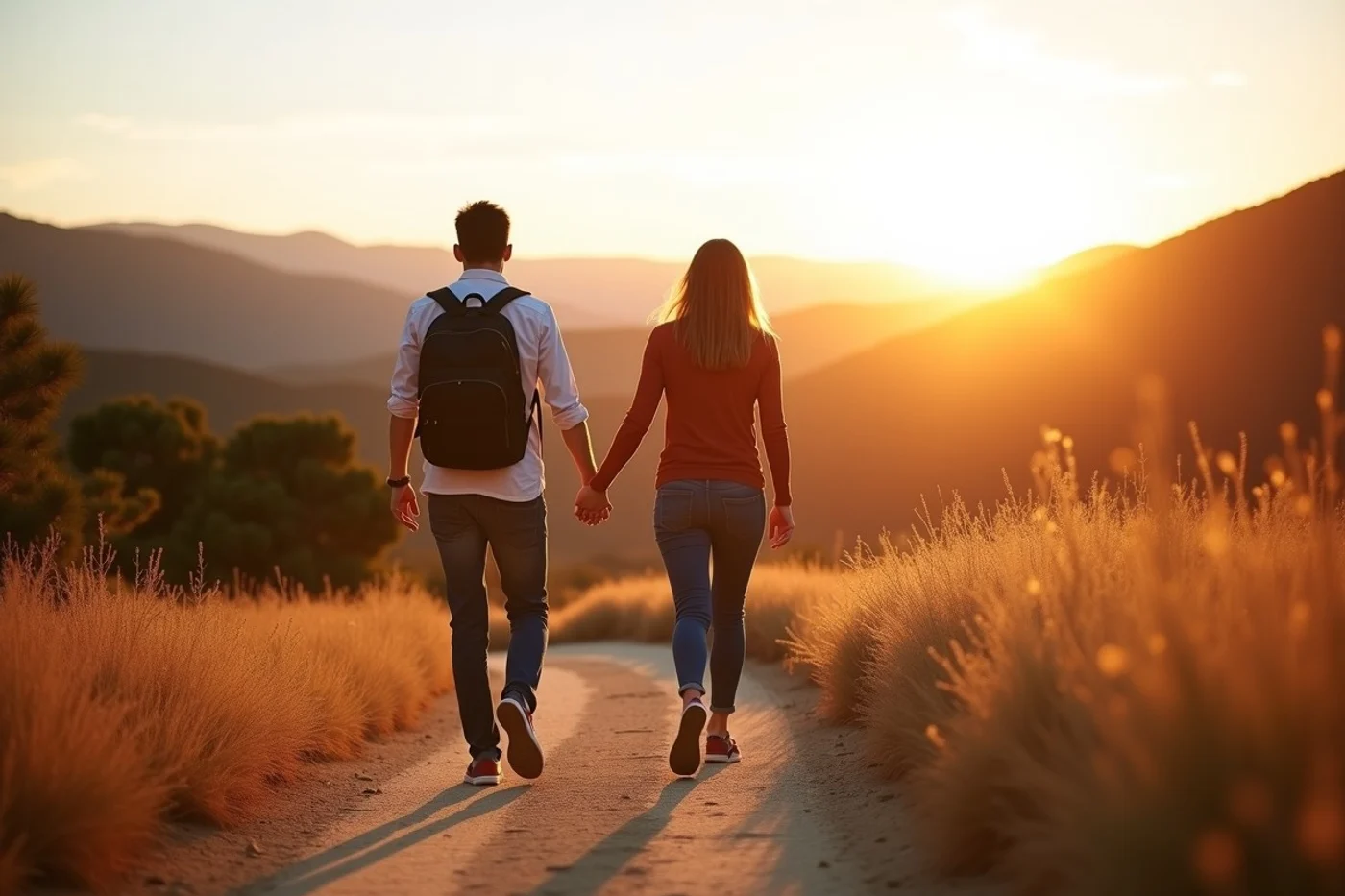
For a first outdoor meeting in California, pick a visible place, agree on a short window, and arrive separately. A waterfront promenade, botanical garden, well-used city park, or marked trail near other visitors gives you something to notice while keeping the setting public.
Try a daylight walk with a specific endpoint: “Let’s meet at the main entrance and walk for 45 minutes.” Golden Gate Park in San Francisco and Balboa Park in San Diego offer established public-park settings; Santa Monica Pier provides a recognizable coastal meeting point. Confirm the exact entrance or landmark in advance rather than relying on a vague pin.
Keep your phone charged, choose an area with dependable reception, and use your own car, transit, or rideshare both ways. Avoid isolated paths, secluded overlooks, and routes that would leave either person dependent on the other for transportation.
Keep It Simple With Coffee, Tea, or a Small Treat
- Choose a café for the most flexible, low-formality option. One drink supports a 30- to 60-minute conversation, and either person can leave without the weight of a full meal. Seek tables with enough spacing to talk; busy counter-service rooms can be louder than they appear.
- Pick a tea shop when a quieter, more deliberate setting suits you both. Tea tends to feel slightly more intentional than a quick coffee but still keeps spending modest. Ask beforehand about seating, since some places mainly serve takeout.
- Meet at a bakery for a shared pastry or a single small item. This feels warmer than coffee without committing either person to dinner. It works well for a late-morning or mid-afternoon date, though peak weekend periods may mean limited seating and more noise.
- Try an ice-cream or dessert stop for a casual evening plan. The activity is light, the budget is usually contained, and a walk is optional rather than assumed. Choose a location with nearby seating so the conversation does not depend on standing in line.
- Use farmers-market snacks when you both enjoy browsing and can handle a less structured date. Split one item or each choose a small snack, then set a simple endpoint such as one loop through the stalls. Markets can be crowded and noisy, so this option fits people who are comfortable talking while moving.
Match the Plan to the Part of California Where You Live

California’s scale changes what feels like a practical first date. In coastal communities, a short pier or harbor outing keeps the setting open and easy to leave; Santa Monica Pier is one recognizable option for Los Angeles-area matches who prefer an active public attraction over a seated meal.
In major urban areas, choose a destination with a built-in point of interest and nearby transit options. Griffith Observatory in Los Angeles offers exhibits and views, while San Francisco’s Golden Gate Park gives matches room to choose a garden, museum-area visit, or brief walk without committing to a full day.
Inland cities often suit downtown art districts, public markets, or community workshops. Mountain towns call for a compact main-street browse rather than an isolated trail, especially when daylight is limited. In wine-country communities, skip the tasting-room expectation and consider a public garden, local art display, or town-center stroll instead. Monterey Bay Aquarium offers a Central Coast example where exhibits supply natural conversation prompts.
Check Comfort, Access, Conditions, and Exit Options Before Confirming
Confirm a short window before you settle on the activity: about 60 to 90 minutes leaves room for conversation without trapping either person in a long plan. Agree on a specific public meeting point, arrive separately, and choose an ending point such as “I need to head out by 4.” Keep the other person’s personal information limited to what is needed to meet; a phone number, home address, workplace, and live location are not required.
Ask one practical question early: “Is there anything that would make the venue uncomfortable or hard to get around?” That opens space to discuss step-free access, seating, walking distance, noise, restroom access, scent sensitivity, parking, or transit without assumptions. Check that the chosen place is open and whether entry or timed reservations are needed before leaving home.
California conditions can change a simple plan. Look at heat, rain, wind, air quality, and daylight on the day, then name a nearby indoor backup that both people can reach independently. A museum lobby, café, or public bookstore can replace an outdoor plan; either person should be able to leave promptly if the date or conditions no longer feel right.
Shortlist two options that fit the forecast and your shared travel area, then send an invitation with a specific meeting point and time. A plan with a natural stopping point leaves room to extend the date only when the conversation feels right.
Sources & verification
- sfrecpark.org — source · Accessed 2026-08-08
- griffithobservatory.org — source · Accessed 2026-08-08
- santamonicapier.org — source · Accessed 2026-08-08
- balboapark.org — source · Accessed 2026-08-08
- montereybayaquarium.org — source · Accessed 2026-08-08