
Winter first-date ideas in California depend on where you are meeting. Coastal and valley areas may suit a short outdoor walk with an indoor backup, while rainy regions call for museums, conservatories, cafés, or matinee performances. Mountain dates require checks for snow, chain controls, road conditions, and venue closures. Before confirming plans, review the local forecast, daylight, travel time, and accessibility so both people know what to expect.
Winter Means Rain, Snow, or Mild Sunshine Depending on the Region

For a California winter first date, start with the specific region rather than the calendar. Coastal communities can be cool, windy, and wet; Central Valley cities may have cold, foggy mornings; desert areas can offer clear but sharply cooler days. Foothill weather can shift quickly, while mountain communities may face snow and difficult travel conditions.
A short daytime plan may suit a mild San Diego or Palm Springs forecast, while a Sacramento, Bay Area, or Sierra-area meeting may call for a weather-protected format. Check the current forecast for both starting point and destination, including rain probability, wind, temperatures, and any travel alerts, before settling on the location. California’s distances and microclimates mean conditions in one city rarely describe the whole date route.
Rainy Days Can Still Support a Relaxed, Conversation-Friendly Date
A rain-proof first date works best when it gives you something to notice together without demanding constant conversation. A compact museum or gallery provides natural pauses and easy prompts: compare a favorite piece, linger where interest overlaps, then leave before the outing feels overplanned. Conservatories and aquariums offer a similar shared setting with shelter and a clear beginning and end.
Covered public markets suit matches who prefer a little movement. Each person can choose a snack or warm drink, browse a few stalls, and sit down only if the conversation is flowing. For a quieter format, choose a café with board games, a bookstore browsing session followed by dessert, or a beginner-friendly craft workshop where the activity carries some of the first-date pressure.
A matinee performance can be a good fit when both people would rather talk in shorter stretches. Meet for tea, coffee, or a simple dessert beforehand, then decide afterward whether to extend the date. Pick an indoor option that neither person has to pretend to enjoy; sincere curiosity is more useful than an elaborate plan.
Milder Areas Leave Room for Short Outdoor Plans
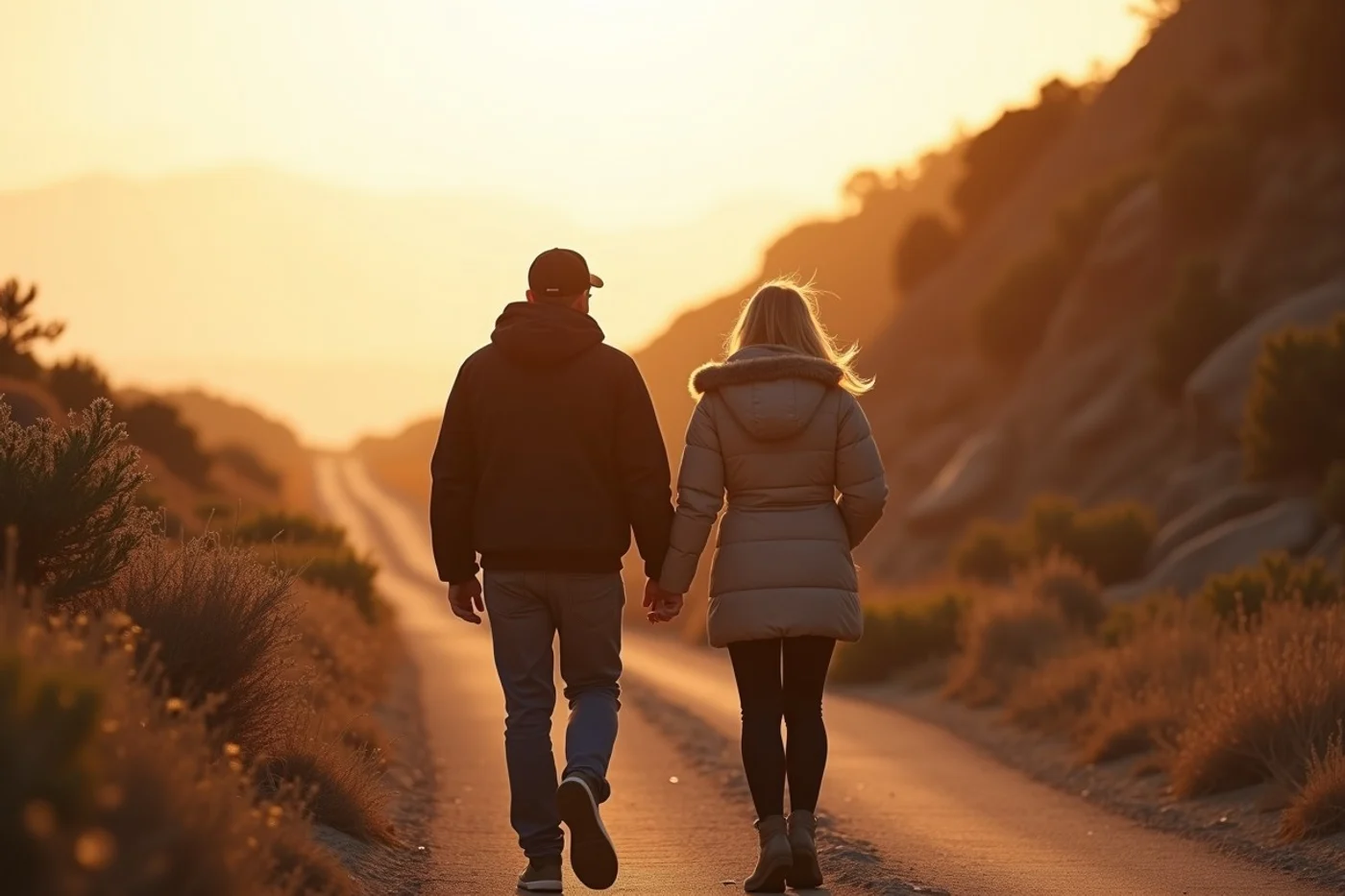
When winter weather is dry and mild, keep the first date outdoors but brief. A waterfront promenade in San Diego or Santa Barbara allows conversation with an easy stopping point; an urban garden or neighborhood architecture walk offers shared details to notice without turning the meeting into a demanding excursion.
Wildlife viewing can work in a wetland, open preserve, or designated birding area, provided the route is suitable for a short visit. Choose a starting point near a café, bookstore, gallery, or other indoor option. That nearby alternative gives both people a natural way to continue the date without committing to a long outdoor stretch.
For inland areas such as the Central Valley or Los Angeles basin, consider a daylight walk through a distinctive neighborhood or public garden, then move indoors for a warm drink or dessert. Keep the plan flexible enough to shorten the walk if conditions change.
Mountain Dates Require More Than a Routine Weather Check
A mountain date near the Sierra Nevada or Lake Tahoe needs a road check before either person sets out. Review Caltrans road conditions and chain-control notices for the route, not just the destination’s forecast. A clear forecast at the meeting place does not rule out delays or restrictions on higher passes.
Check the National Weather Service forecast for the specific mountain area, then confirm that the chosen venue or attraction is operating. Outdoor sites, seasonal facilities, and access roads may change plans after snow, ice, or heavy rain. Save the relevant phone number or webpage so both people can review the same information.
When road conditions, chain controls, or the venue’s status are uncertain, choose a lower-elevation meeting place or postpone. Mountain travel should be part of the date only when the route and destination can be checked with reasonable confidence.
Account for Early Darkness, Wet Surfaces, and Personal Comfort

Plan the meeting around available daylight, especially for a waterfront walk in San Diego, a garden visit in Los Angeles, or an outdoor stop near San Francisco. Leave enough time to arrive, find parking, and begin before it gets dark. A short route is often more comfortable than an ambitious itinerary with a long return after sunset.
Dress for the surface and the forecast: bring a water-resistant layer for rain, warm clothing for exposed areas, and shoes with secure traction on wet paving or muddy paths. Before choosing a venue, check whether the entrance is step-free, paths are reasonably firm, and restrooms or indoor seating are nearby if either person needs a break.
Treat parking distance and travel time as part of the date plan. A remote lot, steep approach, poor lighting, or a long walk from transit can add unnecessary strain. Share the exact meeting point, identify the best-lit entrance, and allow a realistic buffer rather than arriving rushed.
Agree in Advance on When to Change or Cancel the Plan
- Set a check-in point the day before or the morning of the date. Keep it specific: “Let’s look at the forecast and the venue’s updates by 10 a.m., then confirm our plan.”
- Name the conditions that would change the plan, such as a closure notice, heavy rain affecting the route, or a mountain-road concern. This prevents either person from feeling they need to push ahead to avoid seeming unreliable.
- Choose one simple indoor substitute nearby before meeting. A planned garden walk, for example, can become coffee and dessert, a museum visit, or a covered market without a long exchange of new options.
- Send a clear update as soon as the plan changes: “The weather looks rough for our walk. I’m still free to meet at the café nearby, or we can reschedule—whichever feels better for you.”
- Treat a cancellation as a neutral scheduling decision, not a test of interest. Offer a new day only when you genuinely can, and leave room for the other person to decline or suggest an alternative.
Questions about first date ideas in California for winter
Are California winter first dates better planned for daytime or evening?
Daytime usually offers more flexibility because daylight ends earlier and weather can change quickly. An early-afternoon meeting leaves room to extend the date indoors or head home before a wet commute, fog, or mountain-road concern becomes more complicated. Evening can still work well for an indoor plan with straightforward parking, transit, and a short walk from the entrance.
What is a low-pressure winter date format when two people have only just matched?
Choose a contained plan that can last about an hour without feeling abrupt: hot chocolate or dessert, a café table with a simple activity, a small gallery, or a covered market. Pick a place where either person can comfortably leave at the planned time rather than committing to a long drive or a full-day outing.
How should two people handle different comfort levels with cold or rain?
Ask directly before confirming the plan. A brief message such as “I’m fine with a short walk if it stays dry, but I’d rather have an indoor option nearby—how does that sound?” sets expectations without turning the conversation into a negotiation. Let the person with the lower weather tolerance guide the format.
Can a seasonal event work for a winter first date without creating holiday pressure?
Yes, provided the event is easy to enter and leave and does not assume shared holiday traditions. A daytime cultural exhibition, public garden visit, local performance, or food-focused indoor gathering can provide something to talk about. Confirm the event is actually happening and check its access details before proposing it.
Choose the date format that matches the forecast rather than forcing a preferred activity. Confirm conditions on the day, allow extra travel time, and agree on a simple indoor substitute or rescheduling point before either person leaves home.