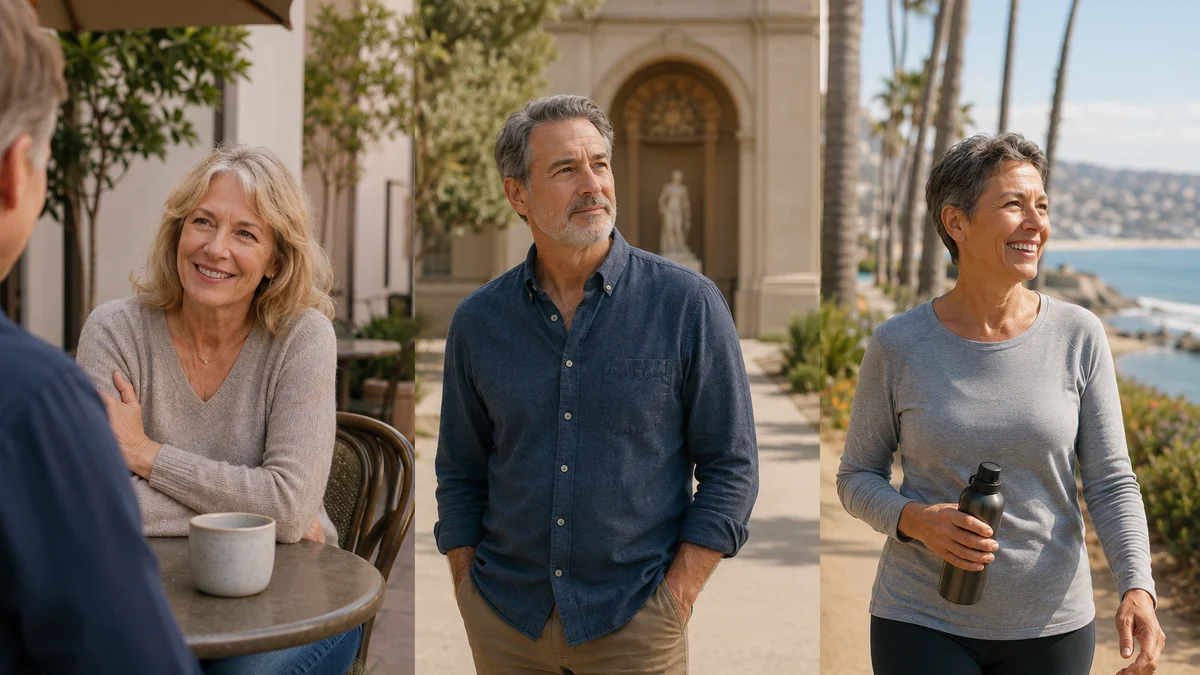
For San Diego singles over 50, the most useful online-dating approach starts with clear relationship priorities, an honest profile, practical distance limits, and steady boundaries before meeting. Say whether you seek companionship, exclusivity, or a long-term relationship; use recent photos and describe life as it is now. Compare work, retirement, caregiving, travel, and mobility needs early. Keep conversations on the dating platform until comfortable, avoid sharing your home address, finances, or detailed schedule, and choose a short public first meeting with independent transportation.
Separate Companionship Preferences From Commitment Requirements

For San Diego singles over 50, compatible online dating starts with separating the companionship you enjoy from the commitment you require. Decide which activities you would like to share, such as conversation, local outings, travel, or quiet time at home. Then identify the emotional closeness you need: regular affection, dependable support, or a relationship that gradually becomes more integrated into daily life.
Commitment requirements deserve their own clear answer. You might be open to companionship without exclusivity, prefer an exclusive relationship, or be seeking a long-term partnership that could lead to marriage. None of these choices is automatically more serious than another; the important point is that your profile and conversations should not leave a major mismatch hidden.
Use these distinctions to evaluate potential matches before investing heavily. Someone who wants occasional activity partners may be appealing if companionship is your priority, but unsuitable if you expect exclusivity and a shared future. Conversely, a person seeking commitment may not fit if you value independence and separate routines. A short statement such as “I’m interested in a committed relationship, while taking time to build trust” communicates direction without promising more than you know.
Present an Authentic Snapshot of Who You Are Today
A profile should describe your current life rather than a polished version from years ago. State your accurate age, use recent photos, and choose images that show how you normally look in social settings. One clear face photo and a few natural pictures tied to real interests are more useful than heavily edited images, old travel shots, or photos that leave your appearance unclear.
Give matches a usable sense of your San Diego routine without revealing private details. Mention a broad area of the county, the kinds of outings you enjoy, and the pace of life you keep. For example: “Based in North County, I enjoy morning walks, live music, and cooking for friends. I’m looking to meet someone for a steady, lasting relationship.”
Specific details create better openings than a list of vague traits. Replace “I love to have fun” with an interest you can discuss, such as tending a garden, following a local arts program, taking coastal drives, or trying a new recipe. Keep the tone straightforward; you do not need to explain every life transition or present a perfect story.
Before publishing, compare the profile to a current photo and ask whether a first meeting would feel consistent with what you showed. That basic accuracy respects both people’s time and starts the conversation on firmer ground.
Compare Daily Responsibilities Before Emotional Investment Grows

Early conversations should cover the shape of an ordinary week, not just shared interests. Ask when someone is usually free, whether they still work, and how often family or caregiving duties take priority. Retirement can bring flexibility for one person and a full calendar of volunteering, travel, or family help for another.
Discuss travel flexibility in practical terms. Someone who enjoys spontaneous overnight trips may be poorly matched with someone who needs to stay close to home most weeks. Neither schedule is wrong; the question is whether each person can offer the time and consistency the other expects.
Try a plain question: “What does a typical week look like for you, and how much room do you usually have for dating?” The answer can reveal a mismatch before daily messages create an attachment that neither person has the capacity to support.
Filter by the Distance and Mobility You Can Sustain
Set distance by the trip you can repeat, not by an abstract mileage limit. In San Diego County, a match may look nearby on a map yet require difficult traffic, limited parking, or a route you would not want to drive regularly. State your practical range and preferred travel method in your profile or early messages.
Consider accessibility before agreeing to a date: nearby parking, level entry, comfortable seating, manageable noise, and restroom access may matter more than a scenic setting. Your location and mobility needs are useful compatibility details, not apologies.
| Option | Best Fit | Check |
|---|---|---|
| Nearby, short trips | You prefer regular dates close to home and want driving to remain simple. | Name a comfortable travel time, such as a short local drive, rather than relying only on a miles-based radius. |
| Wider county range | You can travel farther occasionally and are open to meeting someone in another part of the county. | Ask how often each person could realistically make the trip and whether visits would be shared. |
| Limited driving or no car | You depend on public transportation, rides from others, or a small set of familiar routes. | Say which areas and travel times are practical before emotional investment grows. |
| Flexible mobility needs | You need accessible entrances, seating, quieter surroundings, or a shorter walking distance. | Mention the conditions that support a comfortable outing without disclosing private medical details. |
State Communication and Privacy Limits Without Sounding Guarded
Set the pace plainly. You might say, “I prefer a few messages here before sharing my number,” or “I enjoy a brief call before we make plans.” A compatible match can respect a boundary without treating it as a personal rejection. Let your reply rhythm be realistic, too: “I’m not on my phone all day, but I usually respond in the evening.”
Keep early details general. Name a broad part of San Diego rather than your street, and describe your routine without sharing the times you leave home, attend appointments, or care for family. “I’m on the north side of the county” gives enough context for conversation; a home address does not.
Financial topics deserve a firm, simple limit. “I keep money matters private while getting to know someone” closes off requests for help, investment discussions, account details, or explanations of personal assets. You do not need to defend that choice or continue a conversation that turns insistent.
Direct language also works when contact becomes too frequent or uncomfortable: “I’m not available for late-night calls,” or “Please don’t message repeatedly when I haven’t replied.” Someone who presses past clear limits is showing you useful information early.
Plan a First Meeting With Comfort Built Into the Format
- Choose a public venue where staff and other people are nearby. Pick a format that allows either person to leave easily, rather than a long activity with a fixed end point.
- Ask about practical comfort before settling on a place: “Would you prefer a quiet table with back support, or a short walk followed by coffee?” This treats seating, noise, and pace as ordinary planning details.
- Keep the first meeting brief, such as coffee or lunch with a clear one-hour window. A shorter plan leaves room to extend the conversation when it feels natural without creating pressure to do so.
- Travel separately and arrange your own ride home. Meet at the venue rather than accepting a pickup, even when the other person seems familiar from calls or messages.
- Confirm the plan on the day: venue, meeting time, and a simple identifying detail such as what each person will be wearing. If details change repeatedly or the plan begins to feel uncomfortable, postpone or decline.
- Tell a trusted person where you will be and when you expect to finish. Afterward, judge the meeting by how comfortable and respected you felt, not only by how polished the conversation was.
Questions about San Diego online dating over 50
How much dating-app experience do I need before I begin?
Very little. Start with one service, complete the basic profile settings carefully, and spend a few days reading profiles before trying to manage several conversations. Keep brief notes after chats or dates so names, details, and your impressions do not blur together.
Is it acceptable to date more than one person at a time after 50?
Yes, provided you do not imply exclusivity before it has been discussed. Focus on a manageable number of conversations and be direct when your interest changes. Once you want to date one person exclusively, raise the subject rather than assuming you share the same understanding.
When should I take a break from online dating?
Pause when replying feels like an obligation, disappointment is affecting your mood, or you are agreeing to dates without real curiosity. A short break can help you return with clearer standards and more patience, rather than lowering your boundaries to keep the process moving.
Before replying to a promising match, write down three requirements and three preferences for your next relationship. Then check whether the person’s location, availability, communication habits, and intentions fit those requirements. A brief video or phone conversation can help you decide whether a public, low-pressure meeting is worth arranging without committing more time or personal information than feels comfortable.