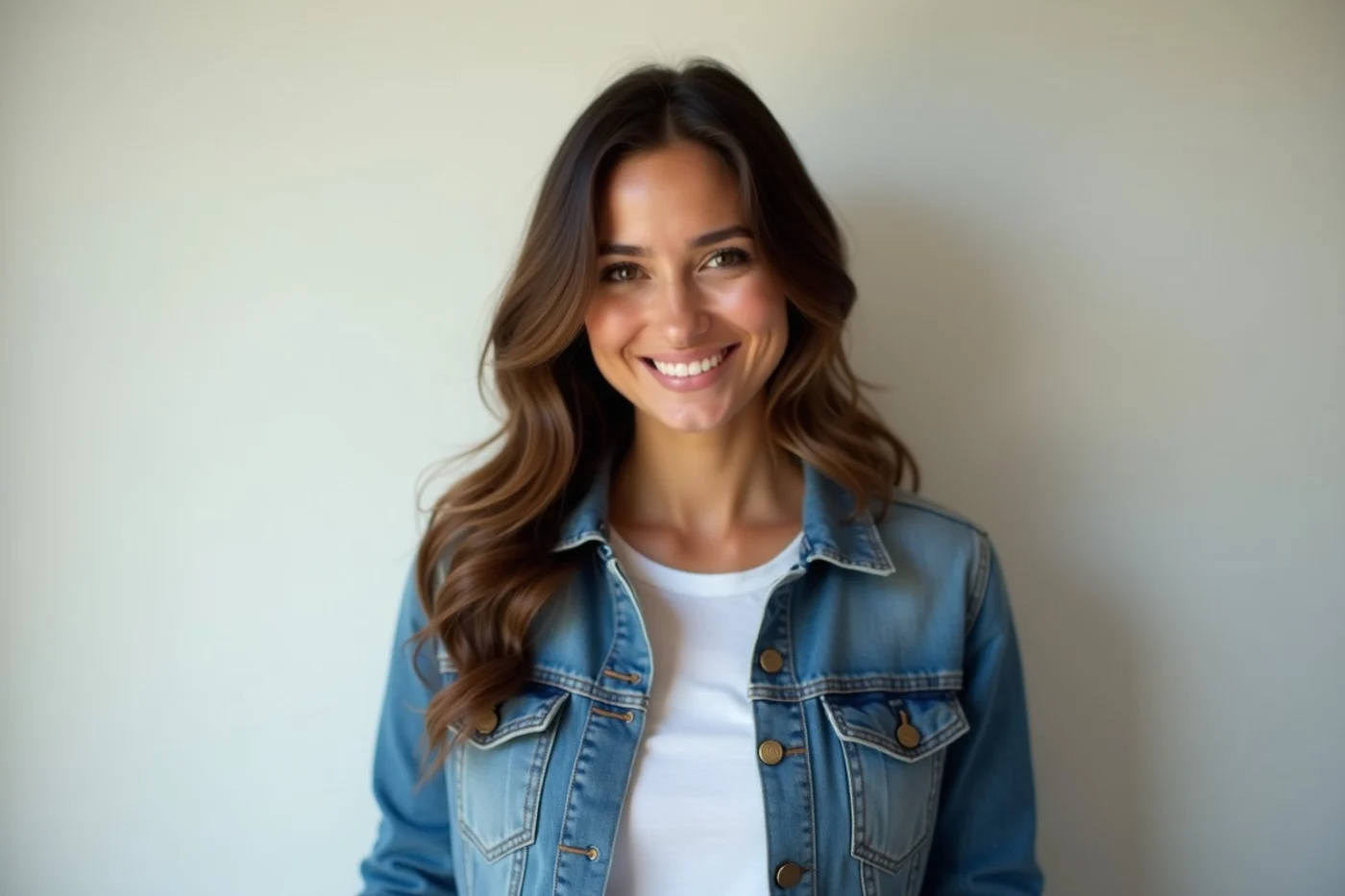
Strong online dating profiles for California singles pair current, recognizable photos with a bio that shows what daily life looks like and the kind of relationship you are open to building. Mention routines, interests, and realistic distance preferences in enough detail for a compatible person to respond. Skip the polished résumé and broad labels; a profile is more useful when it gives a stranger an accurate, human starting point.
Choose photos that make your current life easy to picture

A strong photo set should let someone recognize you quickly and understand what you look like in ordinary life. Use a clear primary image with your face visible, natural expression, and little visual clutter. Choose current photos that resemble how you appear when meeting someone, rather than relying on heavy filters, old images, or carefully disguised angles.
Add variety without turning the profile into a catalogue of trips or polished poses. Include one relaxed activity or everyday setting, and consider a full-length image if it represents how you normally dress. Keep group photos limited and place them after solo images; a viewer should not have to guess which person is you. Check every image for sunglasses, cropped companions, visible private information, or backgrounds that distract from you.
| Choice | Advantages | Tradeoffs |
|---|---|---|
| Clear primary portrait | Your face is immediately recognizable, and the profile begins with a direct, approachable impression. | A tightly staged headshot can feel formal; use a relaxed expression and an uncluttered setting. |
| Recent everyday or activity photo | It shows your usual presentation and gives context without requiring a long explanation. | Avoid distant shots, helmets, dark interiors, or action scenes where your features are difficult to see. |
| Small number of group photos | A social image can add warmth and show that the profile reflects a real life. | Too many groups create uncertainty. Keep solo images first and make your identity obvious. |
Write a bio with specific details instead of generic adjectives

Replace labels such as “fun,” “easygoing,” or “adventurous” with details someone can picture. A useful structure is: what you enjoy, how it appears in your routine, and what you would enjoy sharing with another person. Specificity gives a compatible reader a natural opening for a message.
For example, write “I make an ambitious breakfast on Sundays, keep a running list of small bookstores, and rarely turn down a challenging trivia question” instead of “I love food, reading, and having fun.” The details do not need to sound impressive; they need to sound recognizably yours. Mention a habit, a low-key interest, or a recent activity that reflects your ordinary life.
Close with a warm invitation rather than a demand: “I’d enjoy meeting someone curious, kind, and happy to trade recommendations.” Keep the bio focused on a few connected details, use plain language, and read it aloud once. Remove anything that sounds like a résumé, a complaint about dating, or a list of requirements.
Show how California fits into your everyday life
- Name the part of the state that shapes your week without supplying a detailed location. “Based in the East Bay and usually free for a midweek coffee or a weekend walk” gives a useful sense of place and schedule.
- Mention travel as a practical preference, not a test of devotion. Someone who regularly crosses a bridge, takes a train, or drives between nearby cities can say so; someone who prefers to date close to home can state that plainly.
- Use one ordinary local rhythm rather than a list of attractions. A Saturday farmers’ market, an evening neighborhood class, a beach walk before lunch, or an independent film screening shows how you actually spend time.
- Let work patterns clarify availability when they affect dating. “My busiest days are early in the week, so I protect Friday evenings” is more informative than a job title alone and avoids oversharing workplace details.
- Be realistic about California distance. “Open to meeting people within a manageable drive and planning ahead for weekends” signals flexibility while helping distant matches understand what regular time together could look like.
State relationship preferences with clarity and warmth

Name the connection you are available for in plain language. “Interested in building a committed relationship with the right person” is clearer and more welcoming than a long list of outcomes or a vague “seeing what happens.” You can also acknowledge pace: “I value taking time to get to know someone while dating with intention.”
Add two or three values that shape daily compatibility, not a catalogue of requirements. For example: “Kindness, follow-through, and room for each person’s friendships matter to me.” This gives compatible people something real to recognize without implying that every preference must match on day one.
Use boundaries as positive information. “I prefer respectful, direct communication and am not interested in casual arrangements” states a meaningful limit without criticizing people who date differently. Keep the tone focused on what suits your life; it will attract replies from people who can meet you there.
Use profile results to make focused improvements
Review your profile for the quality of conversations it attracts, not simply the number of matches. Notice whether people who seem compatible respond thoughtfully, ask questions, and show interest in the details you shared. A smaller group of relevant conversations may tell you more than a larger stream of brief interactions.
Change one element at a time so you can judge what helped. For example, replace a vague sentence about enjoying weekends with a more concrete description of how you spend them, then observe the next set of responses. If profile views are available, treat them as a clue rather than a verdict; they cannot explain why someone passed.
Ask one or two trusted people whether the profile feels accurate and whether its details are easy to understand. Keep feedback that reflects your intended audience, discard suggestions that would make you sound unlike yourself, and review the profile again after a reasonable stretch of use.
Before publishing, read the profile on a phone as though you know nothing about its author. Someone should be able to picture your current life, identify a detail worth asking about, and understand your relationship direction without guessing. Start with a clear photo, one or two specific routine details, and a warm statement of intent. After you have used the profile for a while, judge it by the quality of conversations and mutual engagement rather than sheer match volume. Change one element at a time—such as the lead photo, a vague sentence, or a distance preference—then see whether the conversations become more aligned.